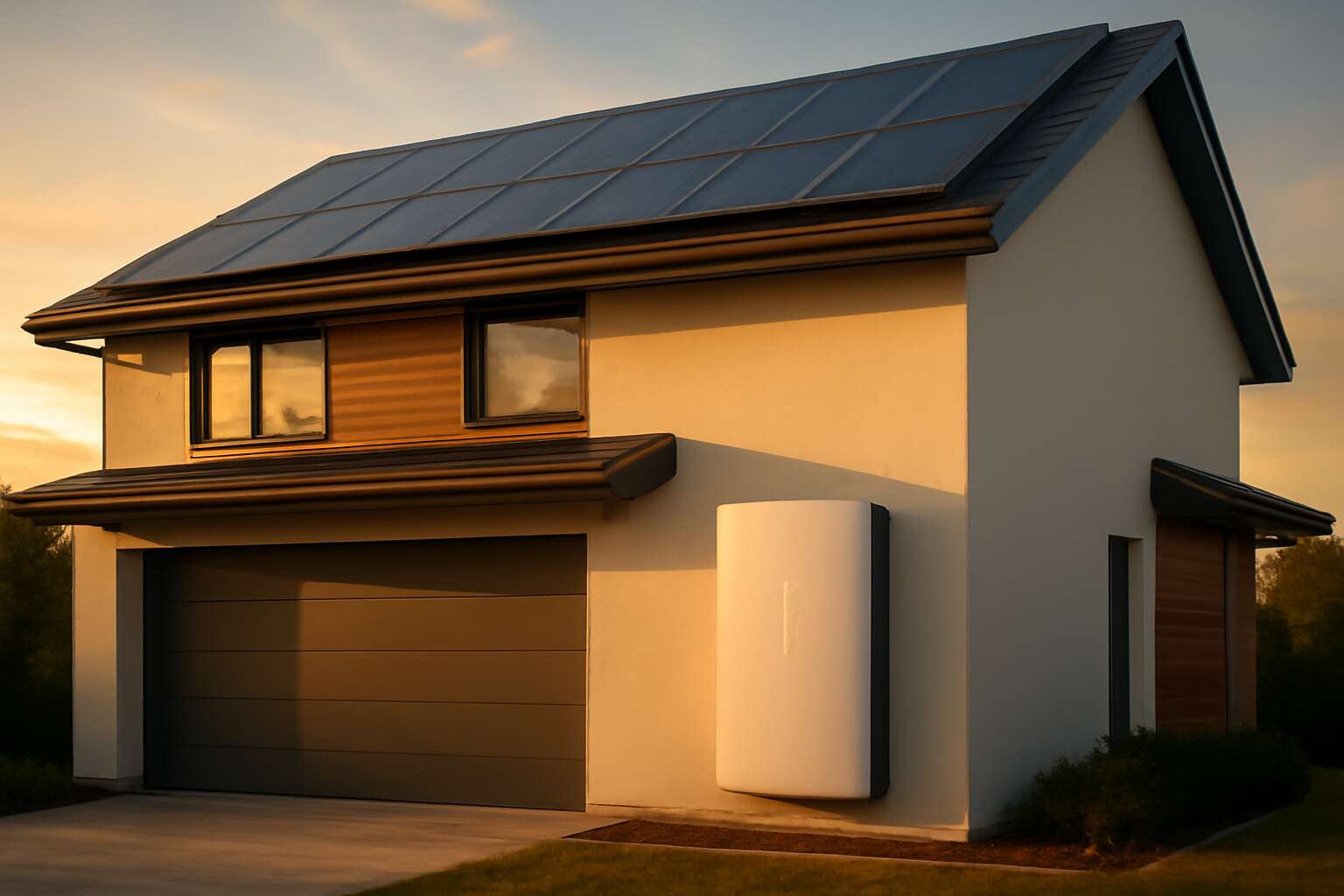
Understanding Home Energy Storage Systems
Understanding the basics and market landscape
In a country where rolling blackouts are a daily reality, a backup home system becomes resilience with style. South Africa’s energy storage market is growing fast as households crave dependable power. Storage basics: capture energy, store it, and release it when the grid stalls. An inverter turns DC into usable AC.
- Storage chemistry: lithium-ion versus other chemistries
- Inverter/charger and a battery management system
- System architecture: grid-tied, hybrid, or off-grid
The South Africa market is expanding, with more players, better warranties, and local service. A battery backup home system paired with rooftop solar brings reliability and modern living without the usual energy drama.
Sizing and configuration options
South Africa’s mornings begin with a bold question: will the lights RSVP tonight? A market survey shows a 25% uptick in energy storage inquiries, proof that resilience wears a sharper suit now. A battery backup home system isn’t about hoarding power; it’s about reclaiming evenings from outages and keeping the kettle singing.
Sizing starts with daily energy use and essential loads. For a typical family, a 10–15 kWh battery bank paired with a 3–5 kW inverter is a sensible starting point. I see the inverter/charger and the battery management system as the quiet coordinators, guarding safety and efficiency with studied restraint.
Configuration options span grid-tied, hybrid, and off-grid. In South Africa, the hybrid route often delivers the sweetest balance of solar charge, utility backup, and everyday independence.
- Daily energy use and critical loads
- Autonomy goals during outages
- Sun hours and inverter capacity
Performance and safety considerations
When the grid falters, a dependable battery backup home system answers with quiet authority. Performance hinges on balancing charge, discharge, and heat, and on how smoothly it recovers after outages. The right mix of cells, inverter efficiency, and a capable BMS translates into steadier evenings and fewer surprises.
Key performance benchmarks to watch include:
- Round-trip efficiency: energy retained from generation to use
- Depth of discharge: a healthy limit that preserves cycle life
- Thermal management: maintaining capacity in SA heat
Safety considerations run parallel to performance. Enclosures, venting, and certified components create a disciplined environment that reduces risk, while adherence to local standards helps protect people and property. In this climate, reliable safeguards become as important as power itself.
Cost incentives and ROI fundamentals
In a country where outages shape daily life, a well-chosen battery backup home system feels more like a covenant than a gadget. “Power should be reliable, not dramatic,” a local installer reminds us, and resilience becomes a habit you can measure. The ROI isn’t just dollars; it’s steadier evenings in South Africa.
Understanding cost incentives and ROI fundamentals means balancing upfront cost against long-term savings, maintenance, and financing. You’re not buying a switch and praying for sunshine—you’re buying time, comfort, and protection from tariff volatility.
- Upfront investment versus expected system life and depreciation
- Ongoing savings from avoided outages and reduced grid usage
- Financing routes and any local incentives that soften the price
ROI is a personal ledger, influenced by tariff trends, outage frequency, and how a homeowner values continuity. The numbers shine when risk meets routine, turning quiet evenings into predictable, protected time.


0 Comments