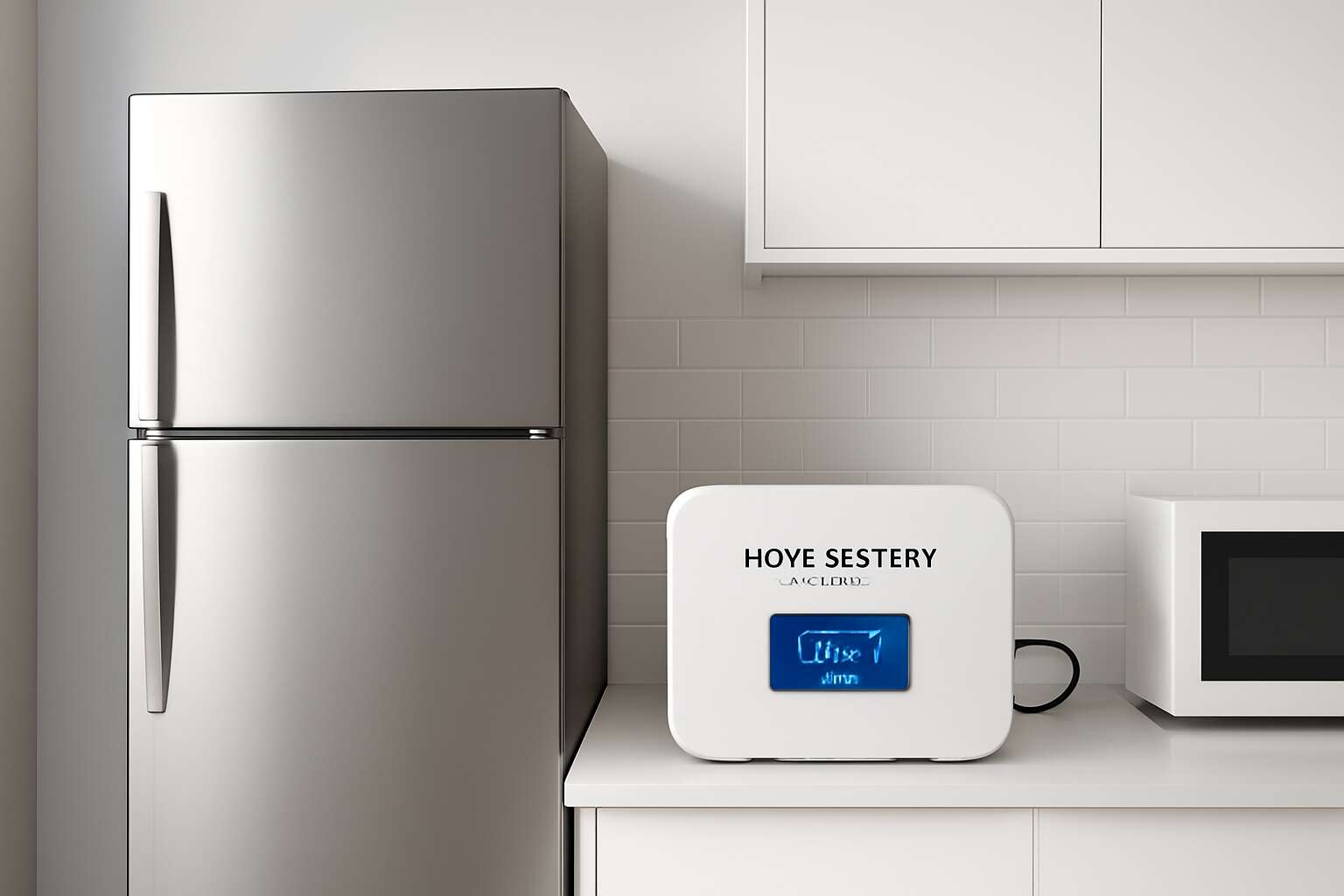
Overview of Refrigerator Backup Power
Why a backup power solution matters for refrigerators
In a country tuned to load shedding, the kitchen becomes a quiet battlefield of temps. “Backup power is food insurance,” a local electrician likes to say, and it rings true. When the lights blink, a fridge can stay cool and groceries stay out of trouble!
Overview of refrigerator backup power shows it as a shield against temperature swings and waste. It keeps the compressor humming and the cold chain intact while the grid wobbles, balancing capacity with efficiency. Resilience matters.
For those seeking a battery backup to run refrigerator, consider these common configurations:
- Uninterruptible Power Supply (UPS) paired with a deep-cycle battery for short outages
- Inverter with a battery bank to cover longer interruptions
- Hybrid solar-storage setups that tame daytime sun and nighttime outages
In South Africa, reliable backup power isn’t a gadget; it’s practical kitchen diplomacy that keeps meals intact and groceries safe.
Key considerations for home fridge usage
South Africa’s grid can blink—so the kitchen stays cool while the rest of the house stares at the meter. “Backup power is food insurance,” a local electrician likes to say, and it still rings true when the fridge hums through a long outage!
Key considerations in a home fridge backup focus on practical constraints rather than gadgets:
- Battery capacity versus the fridge’s draw, including compressor surge at startup
- Battery chemistry and depth of discharge to balance longevity with upfront cost
- System design and installation safety, from venting to secure mounting and proper isolation
In SA, the choice hinges on resilience and heat tolerance. The right setup keeps groceries safe and reduces waste—ultimately a pragmatic expression of kitchen diplomacy with a reliable battery backup to run refrigerator.
Common backup power scenarios for food safety
When the lights flicker and the fridge sighs, a kitchen’s quiet turns tense. In South Africa, rolling outages test households across towns and farms alike, demanding resilience and a calm plan. A dependable battery backup to run refrigerator offers a shield against those shocks, preserving cold shelves and the dignity of a full supper even when the grid stumbles.
Here are common backup power scenarios for food safety that a thoughtful setup can smooth.
- Short outages of a few hours with doors closed, keeping temperatures steady enough to avert rapid spoilage.
- Longer outages that require mindful energy pacing to prevent thawing and refreezing of essentials.
- Voltage dips or brownouts that trigger compressor cycling and energy waste, risking temperature drift in the fridge.
These scenarios shape how a system behaves in the moment—quiet, vigilant, and ready to guard what matters most.
Benefits of uninterrupted cooling during outages
When the grid shivers, the fridge becomes a quiet sentinel over the night. In South Africa, where outages thread through towns and farms, every degree kept is a small victory. As one homeowner notes, “backup power isn’t a luxury; it’s dinner security.”
A dependable battery backup to run refrigerator preserves the cold chain, minimizes waste, and keeps beverages and perishables safe. It smooths the drama of outages, letting doors open less often and temperatures stay steady without the compressor chasing every peak in the grid.
Benefits at a glance:
- Uninterrupted cooling that protects perishable goods
- Less surprise spoilage and less food waste
- Predictable energy use during outages
In a landscape of load shedding, this quiet guardian supports households, cooks, and communities who rely on dependable refrigeration to feed tomorrow.
Battery Technologies for Refrigerator Backup
Lead-acid versus lithium battery options
In the quiet after a late thunderstorm, the fridge becomes a lifeline. “Food should stay fresh,” says a neighbour, and the hum above the stove feels like hope. That single thought anchors every choice about power and resilience in our rural kitchens.
When choosing a battery backup to run refrigerator, the two main paths are lead-acid and lithium. Lead-acid systems are affordable and forgiving of rough handling, but they need space and breakout stages for charging. Lithium options offer lighter weight, longer life, and deeper discharge tolerance, yet demand careful management and higher upfront cost. Weaving these into a practical setup helps guard the daily routine against outages, especially here in South Africa where load shedding is a daily fact. That is the heart of a solid battery backup to run refrigerator.
UPS style versus portable power stations
Food should stay fresh,” a neighbour reminds me as the fridge sighs through another blackout. In South Africa, outages are a daily audition for resilience, and the right battery backup to run refrigerator becomes the cast that keeps meals intact. UPS-style backups whisper seamless switchover in a busy kitchen; portable power stations offer mobility for the homestead that wanders from pantry to workshop. The aim is cooling continuity without drama, with practical swagger and just enough gadgetry to avoid shouting matches with the freezer.
- UPS-style backups: instant transfer, mains integration, and compressor protection
- Portable power stations: lighter, modular growth, solar-ready charging
Either path serves a pragmatic appetite for reliability, depending on space, budget, and how your fridge lives in the rural rhythm. Either is a practical battery backup to run refrigerator when the grid hammers down and groceries deserve care.
Performance in cold environments and temperature effects
South Africa’s frequent outages turn kitchens into resilience trials. When the power fails, a ready battery backup to run refrigerator becomes a quiet anchor, keeping groceries calm and temperatures stable amidst the outage’s buzz!
In cold environments, battery chemistry behaves like a temperamental animal. Lead-acid loses capacity as the mercury drops, while LiFePO4 shrugs off cold more gracefully, though not perfectly. Temperature-aware charging matters; a chilly battery can sag and compressor starts can lag.
- Cold-start performance
- Real-world capacity at low temps
- BMS temperature limits
- Safe storage and venting
Choosing the right mix ensures the backup system stays unobtrusive yet capable of keeping perishables cool during the next outage.
Charging efficiency and lifecycle considerations
In the hush after an outage, a battery backup to run refrigerator becomes a guardian of groceries and warmth. These unseen heroes sip energy, not gulp it, keeping perishables steady when the grid winks out.
Battery technologies differ in how they charge and endure. LiFePO4 offers longer lifecycles and cooler-weather resilience, while lead-acid demands wiser charging and warmth guards. A thoughtful mix boosts charging efficiency and longevity.
- Charging efficiency: proper state of charge and optimizer charging reduces cycling wear.
- Lifecycle considerations: number of cycles, depth of discharge, and calendar aging.
- Protection: BMS temperature limits, venting, and safe storage.
Planning modular systems that scale with your fridge’s daily draw suits South Africa’s outages; the right battery mix can extend life, reduce maintenance, and stay unobtrusive in the kitchen’s hum, a reliable battery backup to run refrigerator across outages.
Sizing and Planning Your Backup System
Determining fridge power draw and duty cycles
Power cuts have become a staple of life in South Africa, and a single outage can spoil groceries in hours. Sizing a backup system starts with understanding the fridge’s power draw and its duty cycle—the compressor isn’t on at full capacity all the time. The goal is a reliable battery backup to run refrigerator when the grid vanishes, not a gadget that wastes juice!
- Fridge running wattage and compressor duty cycle
- Expected outage duration and desired runtime per event
- Inverter efficiency and system voltage (12V vs 24V)
- Battery chemistry, usable capacity, and depth of discharge
From those inputs, energy needs surface as daily watt-hours, with a safety margin folded into the design. A properly sized system aligns capacity with typical outage lengths and load-shedding patterns, SA climate, and the fridge’s behavior, ensuring cooling resilience when power disappears.
Estimating runtime with different battery capacities
Sizing and planning your backup system turns chaos into calm. Translate fridge behavior into steady energy needs—factoring running wattage, the compressor duty cycle, inverter efficiency, and system voltage. The aim is a practical battery backup to run refrigerator that holds temperature when the grid vanishes, not a gadget that wastes juice. I’ve watched outages drag on, groceries hanging in the balance—the right sizing keeps cool air flowing and nerves intact.
To visualize how capacity translates to runtime, here are rough figures for common capacities:
- 1 kWh battery: roughly 4–6 hours of cooling
- 2 kWh battery: about 8–12 hours
- 4 kWh battery: 16–24 hours
These figures help align your system with outage patterns and the South Africa climate.
Inverter sizing and efficiency optimization
Some weeks push outages into double digits in many towns. Power remains calm when the grid wavers, and in South Africa that calm is priceless. Outages disrupt dinners and groceries, but they don’t have to disrupt life with the right planning. Sizing and planning your backup system is the quiet craft of turning a fridge’s hunger for energy into a predictable rhythm when the lights blink out.
With inverter sizing and efficiency optimization, you give the fridge a beating heart that doesn’t surge and stall. Aim for a setup that matches the fridge’s typical draw at peak, favors higher efficiency at partial loads, and uses a system voltage compatible with your panels and batteries. The result is steadier cold and fewer wasted joules.
- System voltage choice (12V, 24V, or higher) and conductor sizing
- Inverter efficiency across the fridge’s load range
- Battery chemistry and age suited to local outages
- Projected outage length and daily cooling needs
That balance keeps a battery backup to run refrigerator reliable, so groceries stay fresh even when the city goes dark.
Battery chemistry impacts on usable capacity
Outages in many South African towns spike into hours, turning a quiet kitchen into a test. Battery chemistry isn’t abstract theory here; it governs usable capacity when the grid falters. The right chemistry doesn’t just store energy—it sustains it for the moments a fridge needs it most, enabling a reliable battery backup to run refrigerator and keep perishables safe.
Depth of discharge, aging, and operating temperature reshape usable capacity, and different chemistries respond differently.
- Lead-acid: inexpensive upfront, but usable capacity shrinks with depth of discharge and heat; aging matters more here.
- LiFePO4: higher, steadier usable capacity and longer cycle life, especially in warm climates.
- Other chemistries: vary in cold-weather performance and safety margins; choose with local outage profiles in mind.
Safety, building codes, and installation planning
“In a country where outages last hours, every watt matters.” Across South Africa, kitchens glimpse storms of darkness as fridges fight to keep cool. Sizing and planning your backup system safety creates a spine of reliability that supports the battery backup to run refrigerator when the grid fades. This is more than hardware; it’s peace of mind.
Audit your site with building codes and installation planning in mind:
- Compliance with SANS electrical standards and CoC requirements
- Safe siting, ventilation, and weather protection
- Qualified installation to ensure proper wiring and isolation
Thoughtful design honors future needs and keeps maintenance simple, so the refrigerator remains a steadfast ally during outages.
Installation, Setup, and Safe Use
Placement, ventilation, and heat management
“A steady fridge means a steady life,” as one farmer likes to say. A robust battery backup to run refrigerator begins with calm planning and careful placement.
In rural South Africa, spaces matter. Setups thrive when the unit sits in a well-ventilated corner, shaded from afternoon sun, and away from heat sources like heaters or sun-baked walls. Good heat management means letting warmth escape rather than building it up near the inverter. The goal is quiet, reliable operation that respects the home’s rhythm and the pantry’s trust.
- Provide airflow around the cabinet with clearances on all sides
- Keep it out of direct sun and away from hot appliances
- Secure cables and keep the area tidy to prevent trips or interference
Wiring with inverters, transfer switches, and breakers
Installation begins with reverence for the home as a living space. A careful setup uses an inverter, a transfer switch, and properly rated breakers to choreograph power with grace. In the South African light, a well-planned battery backup to run refrigerator becomes a quiet partner, keeping perishables safe while the grid sighs under load.
Setups should respect airflow, ventilation, and tidy cabling. Reputable installations follow clear labeling, grounding, and moisture protection, aligning components with the fridge’s starting surge and duty. The aim is a resilient, harmonious connection rather than a hasty bricolage.
Safe use means routine checks and mindful operation, a rhythm that honors the pantry and the people who depend on it. When the system is treated as a trusted ally, outages become a pause, not a crisis.
Battery management, monitoring, and fault detection
Installation begins with reverence for the home and its kitchen heartbeat. A well-placed battery backup to run refrigerator sits in a ventilated corner, cables tidy and labeled, so a South African outage moves through the room like a sigh rather than a shout. Safety matters as much as convenience.
Setup is choreography: matching inverter capacity to the fridge’s surge, a transfer switch that knows when the grid falters, and breakers sized for local codes. Thoughtful cable routing keeps heat down and noise out, while moisture protection guards against rain and dust.
- Clear labeling of circuits and components
- Proper grounding and surge protection
- Adequate ventilation for the inverter cabinet
Safe use hinges on battery management, monitoring, and fault detection. Regular checks of state of charge, voltage, and temperature, with alarms that warn before a fault disrupts daily life, turn outages into quiet pauses and preserve precious food.
Emergency testing, drills, and maintenance routines
“A steady fridge is a quiet promise of home,” a South African elder reminded me, and a battery backup to run refrigerator makes that promise practical during outages. Installation is a calm, careful stage where safety and reliability meet, and local conditions guide the setup. The goal is dependable performance when the grid falters, with heat and moisture kept in mind.
Safe use hinges on emergency testing, drills, and maintenance routines that keep the system responsive without drama. A simple cadence helps: alarm checks, drills that simulate a grid fault, and routine logbooks of charge, voltage, and temperature. When the test is done, these routines preserve food and bring quiet assurance.
Cost, Availability, and Maintenance Trends
Cost breakdown by technology and capacity
Cost considerations for the battery backup to run refrigerator hinge on upfront price and lifecycle value. Lead‑acid options are the cheapest at purchase, but their shorter lifespans and heavier weight tilt the long‑term cost. Lithium systems demand more initial capital, yet they offer higher usable energy and longer warranties, often delivering lower cost per kilowatt-hour stored over time.
Availability in South Africa has improved, but delivery times still vary by chemistry. Common sizes are readily sourced, while advanced LiFePO4 packs may take longer. The market offers a mix of budget and premium options; stock levels shift with season and import routes.
- Lead-acid/AGM: widely stocked
- LiFePO4: longer life, higher upfront cost
- Hybrid/UPS: convenient, variable stock
Maintenance trends favor smarter monitoring and modular packs, with remote fault alerts and longer warranties. Routine checks on balance and temperature keep losses low, even in cooler South African homes.
Where to buy and how to compare models
In South Africa, the cost dialogue around a battery backup to run refrigerator dances between upfront price and lifetime value. Lead-acid starts cheap but heavier and shorter-lived; lithium commands more capital, yet offers greater usable energy and longer warranties, shaping long-term savings with patience.
Availability has improved; common sizes are readily sourced, though advanced LiFePO4 packs may extend lead times.
- Lead-acid/AGM: widely stocked
- LiFePO4: longer life, higher upfront cost
- Hybrid/UPS: convenient, variable stock
Maintenance trends lean toward smarter monitoring and modular packs, with remote fault alerts and longer warranties. Routine balance and temperature checks keep losses low, even in cooler South African homes.
Long-term maintenance, replacement cycles, and warranties
Cost in South Africa splits between upfront price and long-term value. Lead-acid options stay cheap at purchase but are heavy and shorter-lived; lithium packs demand more capital yet deliver more usable energy and longer warranties, shaping savings over time. For a battery backup to run refrigerator, economics hinge on runtime needs and price per stored kilowatt-hour.
Availability has improved; common sizes are readily sourced, though advanced LiFePO4 packs may extend lead times. Three stock categories shape availability:
- Lead-acid/ AGM: widely stocked
- LiFePO4: longer life, higher upfront cost
- Hybrid/UPS: convenient, variable stock
Maintenance trends lean toward smarter monitoring and modular packs, with remote fault alerts and longer warranties. Routine balance and temperature checks keep losses low, even in cooler South African homes. Maintenance cycles and warranty-aware replacements; LiFePO4 commonly offers 5–10 year warranties, while lead-acid warranties are shorter, around 2–5 years, affecting total cost of ownership when cycles are optimized.



0 Comments