Understanding Beeps From Backup Power Units
Common beep patterns and their meanings
That sudden trill of a battery backup beeping is more than noise—it’s a message from a device trying to keep you steady when the lights don’t. In South Africa, where outages are part of daily life, that sound becomes a sort of internal metronome for preparedness.
Common beep patterns carry clear meanings. A rapid chirp might signal an empty battery, a steady tone can mean normal operation, and a long, wavering beep could warn of overload or fault. The pattern matters as much as the pitch.
- Beep one: battery low
- Beep steady: normal operation
- Beep in bursts: fault or overload
In a world shaped by load shedding, listening becomes a habit, and the beeps become a guide—not a nuisance! I listen for the rhythm and trust its honesty, because staying prepared is a quiet act of resilience.
Beeping during outages versus routine maintenance
South Africa moves to a stubborn rhythm of load shedding, and the beep becomes part of the tempo. battery backup beeping is more than noise—it’s a language that keeps homes aligned with the grid’s volatility.
During outages, beeps shift—short pulses may mean the battery is working hard to power essential circuits, while a steady tone might indicate normal operation. In routine maintenance, the beeps can signal self-tests or diagnostics that are part of keeping the unit healthy.
Consider these moments to listen for clarity:
- Outages: pulses that stress-test the battery while keeping essential loads alive
- Maintenance: tones tied to self-tests and diagnostics
- Familiar rhythm: over time, patterns become a steady metronome of resilience
By tuning into the cadence, South Africans turn a potential nuisance into a signal of preparedness.
Brand and model variations in alarm beeps
In South Africa’s theatre of outages, backup power units whisper a language of beeps—battery backup beeping—that shifts its tune with brand and model variations. “The beep writes the weather outside,” says one engineer, a weather report in miniature.
Beep cadences are not universal. Across brands and models, quick pulses, longer tones, and periodic chirps map state, health, and readiness. Some lines hint at a self-test; others settle into a steady hum when power flows.
Understanding these subtle differences helps interpret the room’s forecast. Here is a snapshot across families:
- Pattern and cadence vary by brand, creating a distinct audible signature
- Self-test indicators employ unique tones or sequences
- Battery health and end-of-life signals differ across models
When the lights falter, this chorus becomes a compass, guiding readers toward resilience.
Interpreting accompanying indicators like LEDs and display alerts
South Africa’s outages aren’t just power cuts—they’re a daily weather forecast for your devices. The room listens as the backup unit speaks in beeps, a language of battery backup beeping that engineers treat as a weather report in miniature.
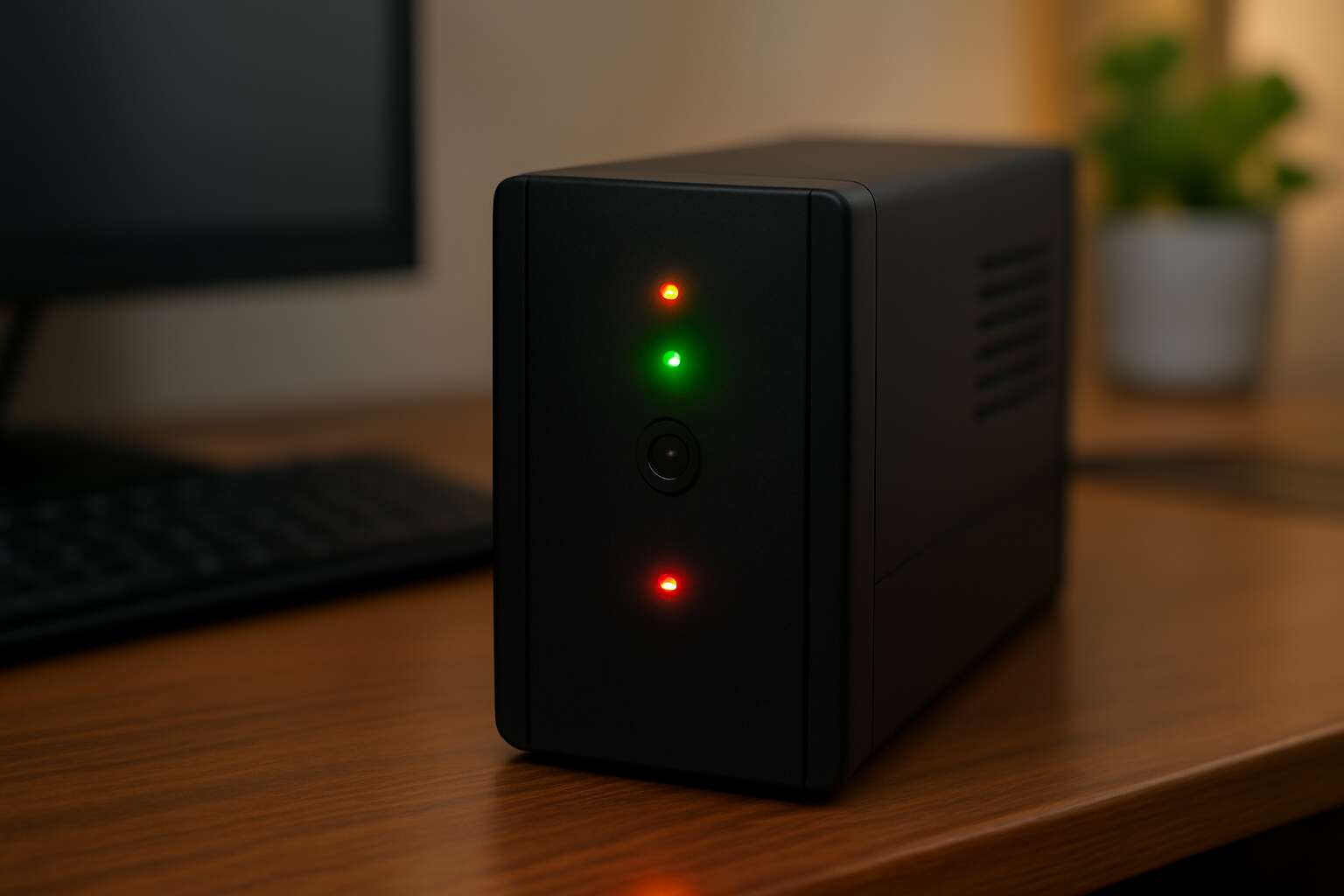
LEDs and tiny displays act as editors for the beep. A green steady glow usually means power is flowing; amber indicates charging or a warning; red flags a fault. On the display, messages like ‘Replace battery’ or ‘Battery low’ appear, translating rhythm into meaning.
- LED color and pulse patterns at a glance
- Display alerts that rename the beep into status
- Audible sequences that hint at self-test versus fault
Understanding these cues makes the room and its occupants more resilient.
Troubleshooting Alarm Beeps Safely
Initial diagnostic checklist
<pAcross South Africa, outages stitch darkness into the night, and a stubborn battery backup beeping becomes my weekday whisper of truth. The beep isn’t random; it clues me to the system’s secret strain. It invites safe, measured inquiry.
- What does the beeping pattern imply about fault state and timing?
- Do LED lights or a display code match a known condition?
- Has the unit recently experienced power fluctuations or maintenance?
Context matters in South Africa’s grid; patterns shift with load shedding, heat, or aging gear. Seek a calm assessment and avoid opening energized hardware. A qualified technician translates the message behind the beeps into reliable diagnostics.
Understanding that beeping signals, not a nuisance, preserves uptime and peace of mind through the night.
Resetting or silencing beeps without compromising safety
Power, that elusive dancer, keeps tempo with a nation where outages are a daily thread. I hear the subtle alarm in the room—the battery backup beeping—like a heartbeat confirming that resilience is built, moment by measured moment, in every corner of South Africa.
Troubleshooting Alarm Beeps Safely starts with listening, not flinching at sound. Recognising the rhythm behind battery backup beeping helps distinguish a harmless reminder from a genuine fault, and I find that calm attention often clears the chaff from the signal.
- Low battery charge
- Sensor fault or connection issue
- Overload indication
Silencing the noise should never override protection. Seek harmony between alert and silence by respecting interlocks, ensuring proper ventilation, and leaning on a trusted technician for safe resolution—so the room keeps its nerve, not its breath.
When to replace the battery vs. service the unit
Power outages aren’t merely an inconvenience; they’ve become a test of preparedness. In South Africa, the battery backup beeping you hear is a signal, not a nuisance. It asks you to listen, then decide, so your data centre, home office, or clinic stays resilient through the next outage.
Triage for safety and effectiveness begins with a decision: replace the battery or service the unit. If the unit is aging or the charging time has noticeably slowed, a battery replacement often makes sense. If alarms persist after a full reset or new fault codes appear, a professional service is warranted.
Here’s a practical guide to the split between replacement and service:
- Replace the battery when you notice persistent low runtime, swelling, or recurring low-battery beeps that don’t resolve after a full recharge.
- Service the unit when fault indicators or unusual LEDs point to circuitry or protection interlocks, or when a technician’s diagnostics reveal a deeper issue.
Resolving false alarms and sensor issues
That crisp little beep can be the heartbeat of resilience. In South Africa’s quiet nights, battery backup beeping becomes a weather vane, tipping you toward safety rather than alarm. “A beep is a message, not a nuisance,” an industry veteran notes, and the sound often points to sensor quirks, residual interference, or aging hardware rather than catastrophe.
To understand the whispers, consider these common contributors:
- Sensor drift and misreads caused by dust, humidity, or temperature swings
- Electrical interference from nearby gear or irregular power
- Loose connectors or worn interlocks muddying the safety logic
- Aging sensors or firmware that report status inconsistently
Treat the moment with calm; the goal is clarity, not panic, so the system’s language stays honest. These nuances remind us that the true fix lies in alignment, not abrasion. Resilience hides in the pause between beeps, where calm judgment keeps data centres humming well after midnight.
Preventive Maintenance to Minimize Beeps
Regular battery health checks and replacement schedules
That “battery backup beeping” is annoying enough to test the discipline of even the most stoic IT pro, but it also signals something bigger: neglect is expensive. A well-timed preventive maintenance mindset turns that chaotic chorus into a calm hum.
Regular battery health checks and replacement schedules are the quiet shield against chaos. By tracking capacity, age, and overall health, you reduce surprise failures and keep the office vibe calm, professional, and fully powered.
- Boosted reliability
- Lower risk of unplanned outages
- Cost savings over time
Investing in preventive maintenance isn’t glamorous, but it pays in peaceful evenings and fewer emergency calls.
Monitoring environmental conditions that trigger beeps
Beep fatigue is real—and it’s cheaper than chaos. In South African offices, a calm server room signals competence—and it beats a chorus of alarms every time. A surprising 60% of battery backup beeping incidents are born from environmental shifts rather than worn-out cells, and that insight reshapes how we approach preventive care.
Preventive maintenance to minimize beeps hinges on watching the room as closely as the hardware. Monitoring environmental conditions that trigger beeps can turn a noisy nuisance into quiet efficiency. I’ve seen teams calm the workflow by tracking these cues before a fault sneaks in; it’s not magic—just timing and a steady eye on the surroundings, not merely the batteries.
- Temperature swings
- Humidity and condensation
- Dust and airflow
- Power quality and transient events
These checks help keep the office vibe calm, professional, and fully powered.
Firmware updates and hardware maintenance
Preventive maintenance to minimize beeps starts where the heartbeat of the machine meets the pulse of the room. I’ve found that timely firmware updates sharpen the unit’s mind, while regular hardware maintenance steadies its nerves. When we stay current, battery backup beeping fades into a rare, purposeful signal—an invitation to act with confidence!
Think of it as ritual engineering: a concise routine that fits a bustling South African office. I rely on straightforward steps that protect both data and dignity, from the moment the screens wake to the moment the lights settle.
- Firmware updates and integrity of firmware alignment
- Hardware inspections framed as guardians of connection integrity
- Fan dynamics, airflow, and thermal sensor behavior shaping stability
Keep the cables tidy, labels clear, and the room temperature predictable, and you’ll watch the tempo of operations settle into a dignified calm.
Establishing maintenance routines and logs
Across South Africa’s buzzing offices, silence after hours is a perk earned through discipline. A single lapse can ripple through meetings, deadlines, and data rooms. Preventive maintenance to minimize battery backup beeping starts with establishing maintenance routines and logs that turn chaos into a rhythm.
Establish a concise routine that fits a bustling office:
- Daily quick checks of status LEDs and audible cues
- Weekly reviews of uptime logs, battery health indicators, and sensor alerts
- Monthly environmental audits: temperature, airflow, and humidity
These steps weave predictability into the day, protecting data integrity and dignity.
With disciplined logs, the machine’s warning beeps become purposeful signals rather than noise; the beeping fades into a rare nudge to act, never a crisis.
Choosing the Right Backup Solution for Your Setup
Assessing load, runtime needs, and critical devices
Power interruptions in South Africa are more than a nuisance—they rewrite how we value uptime. “The best backup is the one you barely hear,” a mentor once told us, and we take that to heart. Choosing a backup solution begins with three questions: what loads must run, how long you can ride out an outage, and which devices are mission-critical for your operation in SA.
- Load profile of all equipment and peak demand
- Minimum acceptable runtime and growth margin
- Critical devices that cannot fail during outages
Getting these right helps you align resilience with budget and avoid overkill or gaps. The idea is to balance clarity and calm, even when battery backup beeping cuts through the quiet.
Types of backup power options: UPS, portable, and grid-tied systems
Outages in South Africa are more than a nuisance—they rewrite how we value uptime. In our experience, downtime slices into productivity, with some studies showing an average productivity hit around 12% per outage. That faint rhythm of battery backup beeping isn’t noise—it’s a signal I’ve learned to heed, a reminder that resilience matters and deserves a setup that blends quiet reliability with practical cost.
Choosing the right backup begins with three core options:
- UPS systems protect critical loads with an instant power handoff, buying time for graceful shutdowns and data integrity.
- Portable power stations offer flexible, on-site resilience for short outages, remote sites, and events without wiring upheaval.
- Grid-tied systems store energy for later use and can feed surplus power back to the network where regulations allow.
When you choose among options with SA’s grid realities in mind, you balance resilience with budget and keep operations steady through outages.
Features that reduce nuisance beeps and enhance reliability
In South Africa, outages aren’t a nuisance—they rewrite your uptime math. The data is blunt: a 12% productivity hit per outage. The sound of battery backup beeping isn’t irritation; it’s a cue that resilience—and a sensible price tag—are within reach.
Choosing among UPS, portable power, and grid-tied options means balancing reliability with budget. Some beeps signal a healthy, well-tuned system; others warn you the runtimes or firmware aren’t aligned with your site’s load. Look for quiet operation, scalable runtimes, and clear error signaling.
- Quiet mode options to curb nuisance beeps
- Intuitive fault indicators and LED alerts
- Modular expansion for growing load
Cost, warranties, and service support considerations
Outages in South Africa rewrite uptime math, shaving as much as 12% off productivity with each blackout. Choosing the right backup solution hinges on cost, warranties, and service support—the trio that turns battery backup beeping into a chorus of resilience rather than a nuisance. It’s a rare blend: competitive price tags paired with dependable care, offering you a future where your hardware simply keeps listening to the lights.
- Total cost of ownership over the system’s life
- Warranty scope, duration, and what’s excluded
- Local service coverage, response times, and parts availability
Look for a partner who explains options in plain language, supports ongoing maintenance, and offers scalable paths as your load grows. The right back-up relationship treats the beeps as a map—guiding you toward steady uptime and quiet confidence.



0 Comments