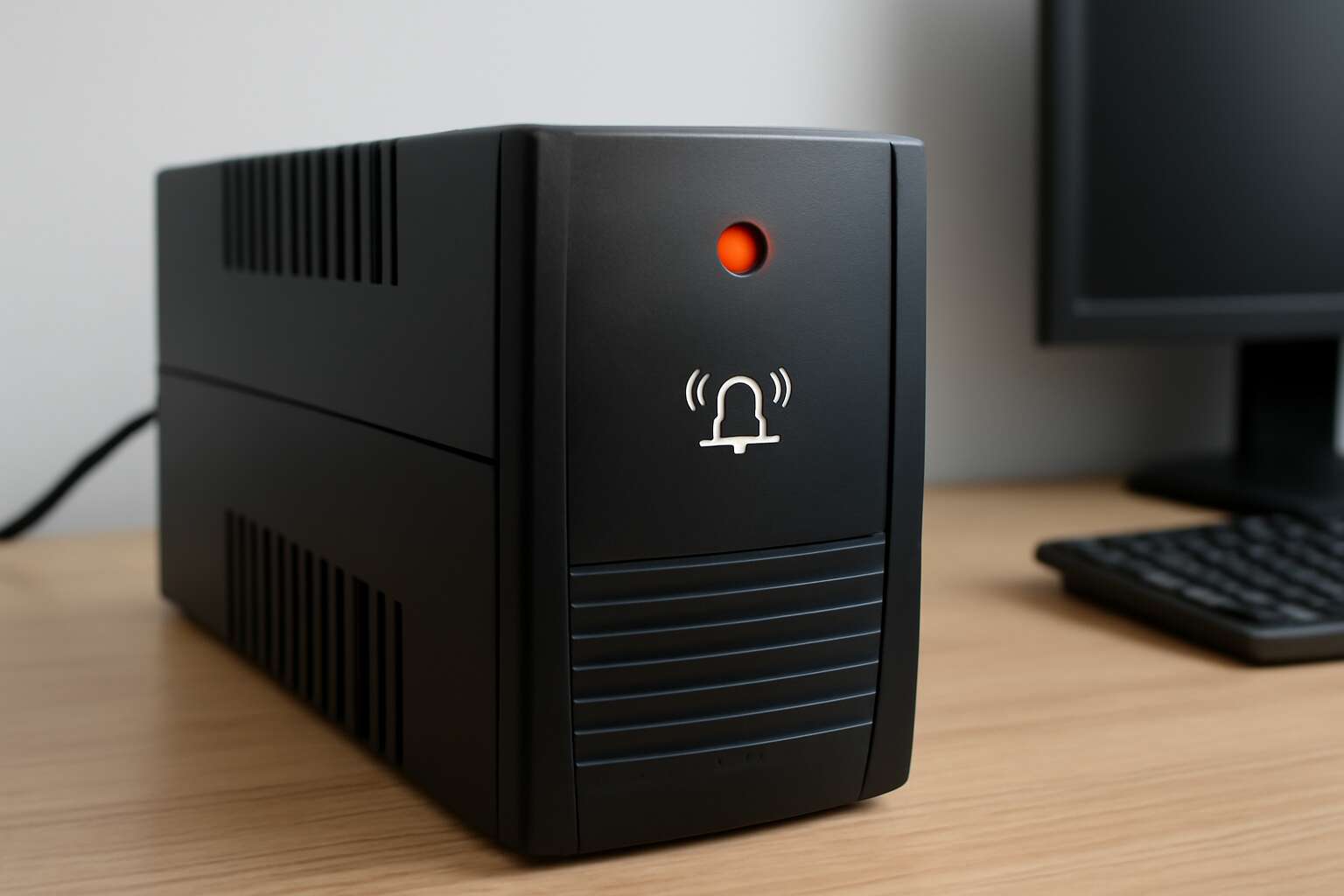
Diagnosing Beeping Battery Backup Systems
Common beeping patterns and their meanings
South Africa endures roughly four hours of load-shedding per week on average, and the beeping from a system’s heart—the hardware that keeps lights alive—becomes a quiet sentinel. When the chorus of alarms starts, the phrase “battery backup is beeping” flares like a lighthouse in a storm, a reminder that resilience is built in cadence and quiet patience.
Diagnosing Beeping Battery Backup Systems means listening to patterns, not panic. Common beeping patterns and their meanings vary by model, but several signals recur:
- Short, rapid beeps: low battery or switch to battery mode.
- Continuous tone: fault, overload, or critical alarm.
- Intermittent long beep with shorter chirps: aging batteries or nearing end of life.
Patterns fade into silence only when the hum of the grid returns; until then, the room holds its breath, and the UPS serves as a quiet vow of continuity!
Initial troubleshooting steps without tools
In South Africa, grid unreliability is a constant backdrop. The average four hours of load-shedding per week isn’t dramatic on paper, but it tests every room that leans on a battery backup to keep the lights on and the essentials running.
Diagnosing battery backup is beeping begins with listening to patterns, not panic. When you hear the phrase “battery backup is beeping,” note the cadence and duration; without tools, you can observe whether alarms come in bursts, linger, or fade as the room shifts with the day—these clues shape what comes next.
- Cadence and duration of tones
- Timing relative to outages and restorations
- Whether indicators like lights or displays mirror the beeps
- Any recent changes in connected devices or overall power draw
These notes steer the conversation toward deeper checks by professionals and help keep spaces steady through power transitions.
Checking power supply, battery connections, and load
South Africa’s grid saga isn’t theater—it’s a daily rhythm. When the lights flicker, the room settles into quiet, and the alarm whispers: “battery backup is beeping.” That phrase nudges you to hear what the system is saying about power transitions.
Diagnosing without tools hinges on three axes: power supply, battery connections, and load. A quick scan reveals whether beeps align with outages, if LEDs echo the rhythm, and whether recent device additions have swollen the draw. Consider:
- Power supply integrity
- Battery connections and terminals
- Current load and device profile
These clues guide professionals toward a calm resolution, keeping spaces steady as power swings pass. If the battery backup is beeping, the noise is data, not doom—physics offering a helpful forecast to those listening.
When to consult the device manual for alarm codes
In South Africa, rolling outages script the daily rhythm, and every flicker wears a message. The room quiets, the clock ticks, and a single beep gathers attention: it’s not noise—it’s a weather forecast for power.
Diagnosing without tools hinges on listening for intent: the tones, the LED cadence, and the room’s load. If you hear “battery backup is beeping,” treat it as data from the system, not doom.
Consult the device manual for alarm codes when the next step isn’t obvious. The manual decodes the symbols into actions and safety notes, mapping faults to fixes.
- Model and firmware version for accurate code interpretation
- Defined alarm codes and recommended responses
- Warning signs that require professional service
Armed with the manual’s language, you translate beeps into a calm plan, listening to how the system speaks about power transitions.
Battery Health and Alert Triggers
Understanding how battery health affects beeps
In South Africa, a surprising 60% of outages begin with a quiet chirp from the UPS, a warning that battery health may be slipping. That beeping is a story of aging cells, not noise!
Understanding how battery health affects beeps transforms the alarm into a language rather than interference. When cells hold fewer amp hours, the controller escalates alerts; the rhythm grows urgent as the load rises, and the phrase battery backup is beeping signals degraded capacity.
- Reduced runtime and quicker recharges
- Higher temperatures and voltage dips
- Visible signs like swelling
Ultimately, those signals form a map of health, helping teams interpret beeps calmly rather than hastily diagnosing faults. When you hear battery backup is beeping, you’re listening to the system’s health check rather than mere disruption.
Signs of degraded cells and end-of-life indicators
“Beep is a language,” a seasoned technician murmurs, and the UPS answers with hints about health. In South Africa’s grid, the first chirp often points to aging cells, turning alarm into insight rather than noise.
Signs of degraded cells emerge as a quiet chorus before the final act. Look for shrinking runtimes, slower recharges, and rising temps—the trio that signals end-of-life behavior:
- Reduced runtime and longer recharge
- Higher operating temperatures and voltage dips
- Visible swelling or bloating
When that cadence intensifies, it’s a weather report from the cells, not noise. These beeps chart health, guiding the audience to interpret signals calmly—battery backup is beeping signaling shifting capacity, not pure malfunction.
Environmental factors: temperature and humidity effects on alarms
Environmental factors are the quiet puppeteers behind each beep. In South Africa’s heat and sudden damp, temperature and humidity tilt the scales of battery health. When the system whispers battery backup is beeping it’s not chaos—it’s a weather report from the cells, a reminder that alarms are sensors, not faults. The right atmospheric balance keeps chemistry calm and responses restrained.
- Temperature extremes affect chemical reactions.
- Humidity can corrode contacts and alter impedance.
Guarding the reserve becomes a matter of listening, not panicking. When the air carries heat or humidity, the beeps shift in tone and frequency, inviting a closer look at the battery’s dialogue rather than a quick reset. The human perspective—the need for patience, not alarm—becomes part of the maintenance narrative.
Role of inverter or control board faults in alerts
In a storm-lashed neighbourhood across South Africa, every beep is a letter in a battery diary. Alarms aren’t random; they are weather reports from your power system, telling you when health is thinning or stress is rising. As one technician says, ‘The beep is a weather report from the cells.’ When the moment arrives, listen for the message beneath the sound—the inverter and control board are asking for attention: battery backup is beeping.
Battery health and alert triggers: Inverter or control board faults can ignite beeps, sometimes from aging components or sensors slipping out of calibration. The result is a chorus that reads risk poorly and misleads the user. The following indicators help frame the issue without guesswork:
- Voltage regulation drift
- Sensor impedance changes
Device-Specific Beep Scenarios
UPS beep patterns and their typical causes
Across South Africa’s power-prone landscape, a UPS’s beeps tell a weather report of its own. When battery backup is beeping, the cadence speaks volumes—a single sharp chirp, a steady alarm, or a rapid chorus—hinting at health, load, or hidden faults within the inverter’s realm.
Beep patterns echo device-specific stories:
- Single short startup beep: often a self-test reminder
- Continuous alarm on battery: suggests dwindling reserve or abnormal demand
- Rapid beeps during overload: the load exceeds what the unit can safely handle
- Long, irregular tones: potentially inverter or sensor faults
These signals invite a deeper listening, turning alarm sounds into a map of resilience for homes and businesses across the country.
Home energy storage systems: common alarm situations
In South Africa, the rhythm of daily life often rides on the hum of a home energy storage system. When you hear battery backup is beeping, it’s not noise—it’s a weather report for your appliances. A single startup chirp can signal a routine self-check; a steady alarm may reveal a reserve nearing its limit; a chorus of quick beeps can warn of unusual demand creeping into the circuit.
- Startup chirp shows the system has completed its self-check.
- Persistent tones during peak draw hint at unusual load or reserve strain.
- Intermittent tones may indicate a loose connection or sensor recalibration.
Listening closely turns alarm sounds into a map of resilience for rural homes and city offices alike, turning every chirp and tone into a clue about the health of the system and the rhythm of life when outages loom.
Server room backup units: alarm codes and actions
In South Africa’s server rooms, a single beep can tilt the day toward uptime or outage. A server room backup unit that beeps isn’t noise—it’s a weather forecast for critical systems. battery backup is beeping can hint at pattern, urgency, and the health of the reserve.
Device-specific beeps translate into codes that seasoned technicians decode in moments. Each tone maps to a scenario, guiding the conversation between battery health, inverter status, and rack load. If it repeats, battery backup is beeping again, signaling deeper reserve strain. I read these patterns like a weather log.
- Code 01 — Low battery: revisit reserve margin.
- Code 02 — Overload: balance rack loads.
- Code 03 — Sensor fault: check connections and recalibrate.
- Code 04 — Communication fault: verify network link.
This coded chorus tells a story of uptime and resilience for both data centers and ECUs.
Network storage devices: interpreting beeps and LEDs
Network storage devices in South Africa’s data corridors don’t just clack when stressed—they beep and glow with intent. A patient ear notices a rhythm: one tone for a waning battery, a steady blink for a link fault, a rapid cadence for a failing fan. When battery backup is beeping, the room tightens as if nerves are in charge of uptime.
- Red or rapid beeps signal a critical fault in the power path.
- Amber or intermittent beeps warn that reserve life is shortening.
- Green steady LEDs indicate healthy operation and normal load sharing.
In these device-specific cues, readers hear a weather report from the data floor—signs of endurance, signs of strain, all interpreted without drama but with your future uptime in mind.
Industrial backup units: frequent alarm scenarios
In the data corridors of South Africa, the difference between downtime and uptime is a chorus of purposeful beeps. A battery of alarms hums through the room, turning the night shift into a listening test. When battery backup is beeping, I hear a weather report for power resilience.
Industrial backup units speak in rhythm. The tones aren’t random; they map to the protection path—reserve, link, and load—so staff don’t guess how far the hour has to go.
- Low reserve voltage in the DC bus
- Fan failure or degraded cooling loop
- Communication or link fault with the control system
This triad of cues helps teams calibrate expectations and budget cycles, preserving uptime without drama.
Resolving Alarms Safely and Effectively
Resetting alarms without compromising safety
Power reliability in South Africa is more than comfort; it’s business continuity. When systems fail to stay quiet, a beeping backup unit isn’t just noise—it signals a safeguard in distress. Businesses feel the ripple quickly, from stalled work to delayed payments.
Resolving alarms safely means prioritizing people and equipment first, then verifying the fault before any reset. If the notification persists or the unit runs hot, pause and seek qualified help. That battery backup is beeping often points to sensor faults, degraded cells, or a control-board hiccup.
- Assess safety: ensure no exposed wires or hot components
- Verify environment: temperature and humidity inside specification
- Check for obvious hardware faults: loose connections, signs of damage
- Record alarm codes and timing for service teams
When it is safe to reset, do so with caution—this is about restoring confidence, not silencing a warning. A careful approach keeps the power backup ready for the next outage.
Firmware updates and calibration steps
When a quiet room is shattered by a warning, battery backup is beeping signals distress rather than drama. Resolving alarms safely blends vigilance with method, and firmware updates and calibration steps align the unit with changing demands. In South Africa’s power landscape, reliability hinges on these quiet refinements.
Firmware updates and calibration steps act like careful seamstresses of technology, ensuring sensors and control boards stay in harmony. Consider these aspects:
- Firmware compatibility and release notes match your device model and environment
- Calibration targets drift, implementing temperature compensation and load profiling
- Post-update validation checks verify that alarm readings reflect reality
Done with patience, the system regains confidence, and the next outage feels manageable rather than catastrophic.
Battery replacement and recycling safety considerations
In a quiet room, the sudden beep of a stubborn system pulls focus like a stage whisper. “The beep is the truth the grid speaks,” a veteran technician once told me. When battery backup is beeping, it signals more than noise—it signals responsibility and the need for calm, professional care in South Africa’s volatile power landscape.
Resolving alarms safely and effectively hinges on respect for life and hardware. For battery replacement and recycling safety considerations, rely on licensed technicians and approved recyclers. They preserve safety, warranties, and the environment, guiding you through the complexity of modern storage with grace.
- Certified technicians handle replacements
- Recycle through licensed e-waste channels
- Maintain warranty and regulatory records
When the beacon returns to quiet, confidence follows; the system breathes anew, and the next outage feels survivable rather than catastrophic.
Preventive maintenance to minimize future beeps
In South Africa’s volatile power landscape, the beeping alarm isn’t just noise—it’s a call to action. “The beep is the truth the grid speaks,” a veteran technician once told me, and that line still rings true when a battery backup is beeping. When battery backup is beeping, it signals more than a nuisance; it signals responsibility and the need for calm, professional care.
Resolving alarms safely and effectively rests on respect for life and hardware. In this climate, rely on licensed technicians and approved recyclers to preserve safety, warranties, and the environment, guiding you through the complexity of modern storage with grace.
- Routine, licensed technician inspections that align with warranty requirements
- Approved e-waste recycling through licensed channels to prevent hazardous leakage
- Maintaining comprehensive documentation for warranty and regulatory compliance
When the beacon returns to quiet, confidence follows; the system breathes anew, and the next outage feels survivable rather than catastrophic. Even then, battery backup is beeping reminds us that vigilance is constant.
Lifespan guidelines: when replacement is economically sensible
“The beep is data you can act on,” a veteran technician told me, and it still rings true when battery backup is beeping. In South Africa’s volatile power landscape, alarms tell a story of value, risk, and timing—not noise.
Lifespan guidelines help separate costly repairs from wise investment. Look at age and recharge cycles, warranty status, and the history of faults. When the maths favor it—older hardware, rising maintenance, and the cost of continued downtime exceeding replacement—replacement is economically sensible.
- Age and cycle count
- Warranty eligibility and service costs
- Long-term reliability versus repair risk
Yet the aim stays the same: resolve alarms safely and effectively with calm professional care, safeguarding lives and hardware while preserving warranties and the environment.
SEO and User-Intent Strategies for Backup Beep Guides
Targeting related keywords and queries
Power outages press down like a drumbeat over a city, and resilience in South Africa hinges on reliable backup. In SA, outages cost businesses billions annually—and in the SEO arena, it’s more than sound design—it’s about answering real questions with clarity and pace.
When the query is battery backup is beeping, readers seek trusted pathways: fast recognition of patterns, confidence in next steps, and a sense that the guide fits local context. Use long-tail phrases, answer-driven headings, and a human tone that respects technical detail. This is where user-intent strategies turn beeping into business continuity.
- Clarify the user’s goal with a beeping device
- Offer prioritized next steps tailored to SA hardware and services
- Align content with local maintenance schedules and regulations
SEO becomes a compass that points to locally resonant questions—models, environments, and codes—weaving trusted information into a narrative that respects both urgency and accuracy.
On-page optimization for troubleshooting content
Across South Africa’s power-challenged cities, outages costing SA businesses billions annually hammer continuity like a drumbeat. In SEO, urgency becomes a map guiding readers to trustworthy, fast answers. When readers encounter battery backup is beeping, they want quick pattern recognition, credible next steps, and a voice that respects SA realities—from load-shedding to maintenance windows. Clarity and pace fuse into a guide that resonates locally and earns trust.
To serve those intent-driven questions, structure pages around how South Africans search: long-tail phrases, readable sections, and headings reflecting real-world scenarios. On-page optimization should emphasize local context, accessible language, and a calm, human tone.
- Long-tail phrases that capture local search intent around backup beeps and outages
- Question-based headings and scannable content for rapid comprehension
- Clear meta descriptions that set expectations without jargon
Such alignment moves readers from recognition to reassurance, framing battery backup is beeping as a signal for support, not crisis.
Structured data and FAQ snippets for alarm codes
Outages cost SA businesses billions annually, turning a single battery backup is beeping into a decision-point moment. In SEO, urgency becomes a compass guiding readers to trustworthy, fast answers, especially when the voice must respect South Africa’s load-shedding realities with calm, readable clarity.
Pages should center on how South Africans search: long-tail phrases, question-based headings, and meta descriptions that set expectations without jargon. Structured data and FAQ snippets help search engines map intent and surface alarm-code questions in handy, scannable formats.
- Structured data implementation for alarm codes and beeping patterns
- FAQ snippets that capture common questions around battery health, beeps, and codes
- Localised content reflecting SA energy realities and maintenance windows
That alignment guides readers from recognition toward reassurance, framing battery backup is beeping as a signal for support rather than a crisis—and that makes the search journey feel trustworthy and human.
Internal and external linking strategies for credibility
Outages cost SA businesses billions annually, and the clock never stops. In SEO, readers come with intent and stay for credibility—fast. An effective user-intent strategy favors locally relevant, long-tail queries and headings that answer questions without jargon. We know readers want fast, trustworthy answers. The aim is to turn alarm-code anxiety into a calm, trustworthy read that respects South Africa’s load-shedding realities and everyday power constraints.
- Internal linking: connect diagnostic pages and local service content to guide readers deeper into related topics
- External linking: cite manufacturer pages, energy regulators, and reputable SA energy analyses for authority
- Anchor text: use varied, descriptive phrases that reflect reader intent and the topic
When you see the phrase battery backup is beeping in a search, the tone should stay practical and human, offering trustworthy resources rather than jargon. This framing helps readers view beeps as signals to consult credible sources, not as a crisis.
Measuring engagement: dwell time, bounce rate, and conversions
Outages cost South Africa’s businesses billions annually; the clock never stops ticking. When the phrase battery backup is beeping appears in a search, readers want practical, local guidance that speaks plainly, not jargon. A smart SEO and user-intent strategy leans on locally relevant, long-tail queries and headings that answer questions directly, with credible sources backing claims. The aim is to transform alarm-code anxiety into a calm, trustworthy read that respects South Africa’s load-shedding realities.
Measuring engagement matters more than vanity metrics:
- Dwell time indicates reader engagement and usefulness
- Bounce rate signals immediate relevance
- Conversions represent meaningful reader actions
Anchor text should vary and guide readers toward credible external sources while internal pages deepen the diagnosis without sensationalism.




0 Comments