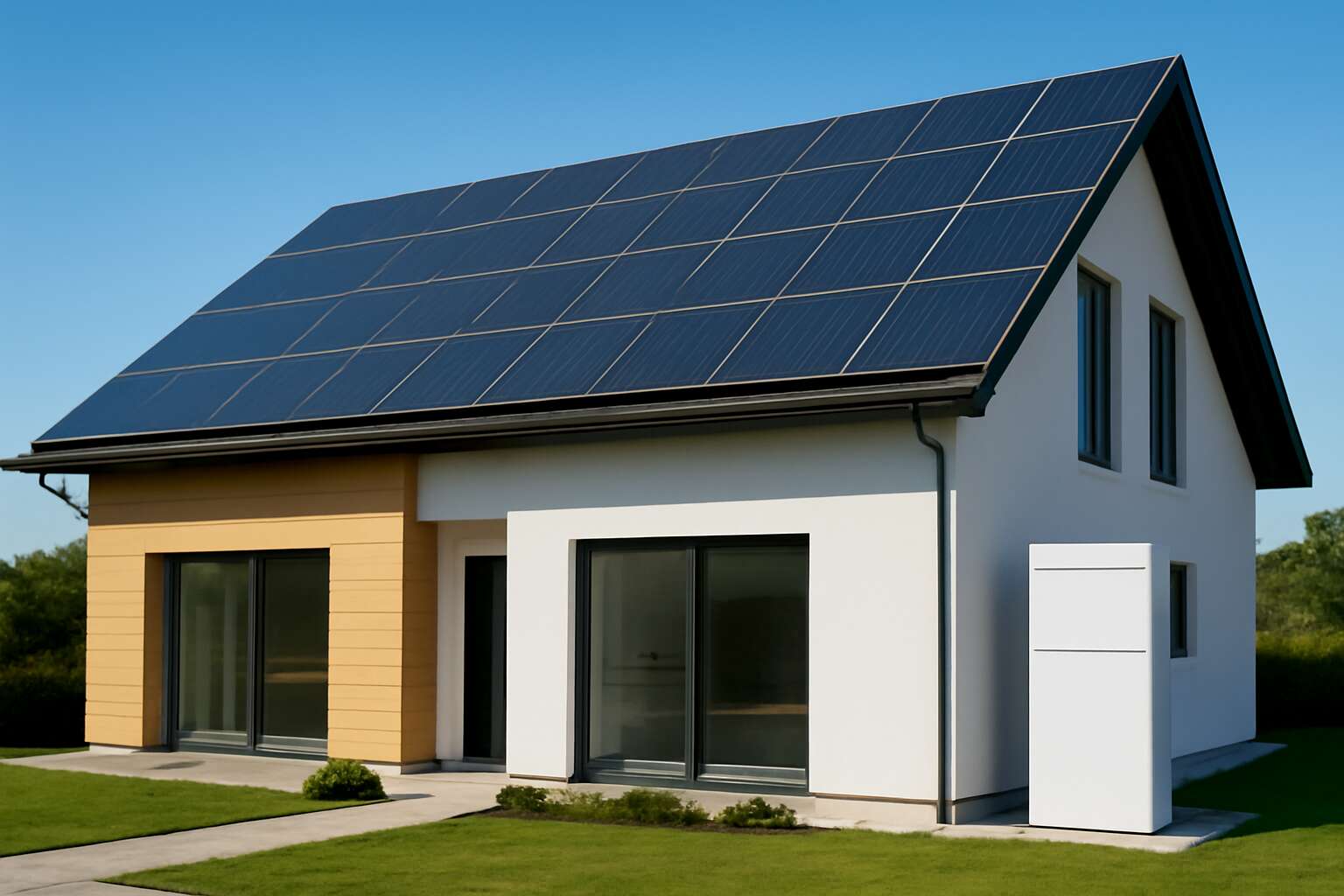
Solar Power Systems with Backup Storage: An Overview
What is a Solar System with Battery Backup and How It Works
“We can’t rely on a fickle grid,” a mentor once told me, “the sun offers a steady hum if we learn to store it.” In South Africa, solar with battery backup is not just a gadget—it’s a philosophy, a way to turn daylight into dependable power when the lights falter.
A solar power system with backup storage uses PV panels to harvest sun, an inverter to convert DC to usable AC, and a battery bank to store energy for night or outages. A charge controller guards the flow, ensuring the battery isn’t overcharged. During sun, excess energy charges the battery; when the grid fails or demand spikes, the system discharges to power essential circuits. Together, this is solar with battery backup in action: sunlight becomes a steady, trustworthy power source.
- Reliability during outages
- Storage-ready scalability
- Peace of mind for households
Benefits of Backup Storage for Home Energy
South Africa enjoys more than 2,000 hours of sunshine each year, a generous gift that becomes a promise when captured with intention. For homes embracing solar with battery backup, daylight is not merely energy—it’s a patient bank, storing light to power the evening and the outages that test daily life.
Backup storage transforms solar into a quiet, dependable companion. It smooths bills by drawing from stored energy when tariffs spike, and it provides resilience during grid disruptions, keeping essential circuits alive with a calm, almost filial steadiness. The system learns your rhythms, growing more confident as storage capacity expands, ready to meet growing energy demands as families and appliances evolve.
- Outage resilience that keeps essential lights and devices running
- Tariff smoothing by charging from stored energy during peak hours
- Scalable storage that grows with home needs and technology
Common Use Cases and Scenarios for Backup Solar
South Africa basks in more than 2,000 hours of sunshine each year—a climate gift that shines brightest when captured with intention. Solar with battery backup turns that light into a quiet, dependable partner, smoothing energy use and saving pennies when tariffs climb and outages loom!
Common use cases and scenarios for backup solar include:
- Outage resilience: keeps essential lights, fridges, and routers powered when the grid stumbles.
- Tariff smoothing: charges from stored energy during peak hours to soften the monthly bill.
- Remote and scalable sites: reliable power for off-grid homes, workshops, or small businesses during load-shedding or grid instability.
Whether in a city apartment or a rural retreat, solar with battery backup provides predictability in a volatile energy landscape. It’s not mere novelty; it’s a pragmatic companion that grows with needs and helps appliances breathe a little easier.
Key Components: Panels, Batteries, and Inverters
South Africa basks in more than 2,000 hours of sunshine each year, a radiant ledger promising dependable energy. Solar with battery backup turns that promise into a steady rhythm—an ally that answers outages and tariff hikes with quiet grace!
At the heart of solar power systems with backup storage lie three key components: panels, batteries, and inverters. Each part performs a distinct, essential role, weaving sunlight into usable power. I’ve seen families light study nights and keep the fridge humming when the grid stutters.
- PANELS: capture sunlight with efficiency and durability
- BATTERIES: store energy for evenings and outages
- INVERTERS: translate DC into usable AC power
Together, they form a graceful, scalable system for SA homes, from urban apartments to country retreats. Solar with battery backup is energy, not anxiety—made tangible by sunshine and skill.
On-Grid, Off-Grid, and Hybrid Configurations Compared
South Africa basks in more than 2,000 hours of sunshine each year, turning roofs into quiet power stations. It’s solar with battery backup—offering more than warmth in a sunlit room, it provides steady, moveable power through outages and tariff shocks. On-grid, off-grid, and hybrid configurations each suit a different rhythm of life, from compact city flats to expansive farms, letting households sleep easier when the grid falters.
Consider these configurations:
- On-Grid with backup: stays grid-tied but carries essentials through outages.
- Off-Grid with storage: independence, mindful sizing and maintenance.
- Hybrid: a balanced edge, blending grid access with autonomous resilience.
Whichever path is chosen, resilience remains the constant—a quiet creed for households that demand reliable power, powered by solar with battery backup.
Technical Foundations of Backup Solar Technology
Battery Technologies and Their Roles in Backup Systems
A across South Africa, the sun is the most reliable metronome—if you can store its tempo! In the realm of solar with battery backup, the technical foundations are the quiet gears that turn resilience into routine.
Battery technologies vary in chemistry and character, each playing a role in storage durability, safety, and performance.
- Lithium Iron Phosphate (LFP): safe, long life, and well suited to daily cycling.
- Nickel Manganese Cobalt (NMC): high energy density, compact packs.
- Lead-acid: affordable, established ecosystem.
A robust system also hinges on a Battery Management System (BMS), thermal regulation, and inverter compatibility. The BMS choreographs voltage, current, and health, ensuring safety and maximizing depth of discharge without courting drama. Smart inverters marry generation with storage, turning the sun’s gift into a steady home load for solar with battery backup.
Inverters and Power Management
In backup solar systems, the inverter and power management are the quiet gears turning resilience into routine. The Battery Management System monitors voltages, temperatures, and state of charge, choreographing safe charging and healthy depth of discharge. Smart inverters synchronize PV, storage, and home loads, delivering seamless transitions.
- BMS coordinates voltage, current, and health to prevent overcharge, undercharge, and thermal issues.
- Smart inverters manage bidirectional power, MPPT tracking, and grid interaction for stability.
- Thermal regulation and protective features safeguard longevity and performance.
Power management means precise voltage regulation and peak shaving, so critical circuits stay powered through outages. This is the backbone of solar with battery backup, turning sunny days into steady routines.
In South Africa, abundant sun and frequent outages make smart regulation essential. Inverter efficiency and thermal safeguards translate into dependable power when the grid falters.
Battery Management Systems and Safety Features
Every stored kilowatt is a promise kept in a country where load-shedding governs daily life. Technical foundations of backup solar hinge on more than big batteries and panels. The battery management system acts as the brain, sensing voltage, temperature, and state of charge to choreograph safe charging and healthy depth of discharge. It keeps cells in balance and guards against sudden stress that shortens life. This is the essence of solar with battery backup.
- Cell balancing and precise state-of-charge control to extend pack longevity
- Thermal monitoring with protective cutoffs to prevent runaway and overheating
- Protection layers such as fuses, DC disconnects, and arc-fault detection for safe installation and maintenance
South Africa’s sunny climate and grid instability make these foundations essential. With robust thermal safeguards and smart interconnections, this technology translates sunshine into reliable power through outages and load-shedding. This solar with battery backup becomes a steadfast neighbor through outages.
Solar Panel Technology and Sizing Basics
Sun-scorched roofs in South Africa cradle a quiet revolution: the technical foundations of backup solar begin with solar panel technology and sizing basics. The modern modules trade raw sunlight for steady cadence—monocrystalline clarity, polycrystalline resilience, and clever cell architectures that sip heat rather than burn it. With sun aplenty, efficiency is not vanity; it is reliability. Proper orientation, robust framing, and weatherproof interfaces shape a system that can outlast outages, keeping the lights on and the fridge content intact. Ultimately, it is solar with battery backup.
Sizing basics hinge on a few practical truths:
- Daily energy footprint and desired autonomy
- Region-specific peak sun hours
- Inverter rating and derating for temperature
- Trade-offs between module count and space constraints
- Shading, tilt, and orientation considerations
Woven wisely, these choices translate sunshine into dependable power through the hour of need.
System Topologies: Grid-Tied, Off-Grid, and Hybrid Explained
Power outages are a fact of life in South Africa, and the grid remains unpredictable. Understanding system topologies helps you balance autonomy and cost, from simple backups to full independence.
- Grid-Tied: Connected to the utility, it offsets daytime use and exports excess when sun shines; a backup battery provides limited outage relief.
- Off-Grid: Fully independent, with larger storage and robust design; ideal where grid access is unreliable or absent.
- Hybrid: Combines grid access with storage for seamless switching; smooths tariffs and outages but requires careful sizing.
With the right mix, solar with battery backup becomes a quiet partner in daily life, keeping essential circuits alive through outages and tariff changes alike.
Sizing, Costs, and ROI for Home Energy Storage
How to Size a Backup Battery System for Your Home
Power continuity is a practical necessity, not a luxury. Sizing a home backup means balancing daily energy use, climate, and how long you want to ride out outages. I’ve learned that a well-chosen solar with battery backup setup aligns inverter capacity with real patterns of sun and demand, avoiding waste while keeping essentials alive!
Costs hinge on technology choices and installation complexity.
- Battery chemistry and depth of discharge
- Inverter size and efficiency
- Permits, grid connection, and labour
ROI focuses on avoided outages, daytime grid savings, and potential property value. In South Africa, where load-shedding and tariff hikes are common, a properly sized system can shorten payback and deliver lasting energy security, turning resilience into a durable asset.
Cost Breakdown: Equipment, Installation, and Permits
Power is continuity, not convenience. In South Africa, outages redraw the day, every hour counted. Sizing a home storage system blends daily use, climate, and outage duration into a single, survivable balance. A well-chosen solar with battery backup aligns capacity with sun and demand, keeping essentials alive.
Costs hinge on technology choices and installation complexity. A clear cost breakdown centers on Equipment, Installation, and Permits.
- Equipment: batteries, inverter, and control systems
- Installation: wiring, mounting, and grid integration
- Permits: grid connection, inspections, and regulatory compliance
ROI focuses on avoided outages, daytime grid savings, and the enduring value of resilient living. In South Africa, a properly sized system translates reliability into property robustness and lasting energy security, a durable asset amid a volatile energy landscape.
Financing Options and Incentives to Reduce Upfront Costs
Rolling outages across South Africa redraw the day, turning a simple kitchen into a timetable of power. A well-sized solar with battery backup keeps lights, fridges, and a Wi‑Fi router alive even when the grid falters. As a farmer friend often says, “Power is the heartbeat of a home.” Sizing isn’t guesswork; it blends daily use, climate, and outage duration into one survivable plan for a home that stays warm, safe, and connected.
There are financing options that soften the upfront burden. Consider these paths:
- Green loans from banks or microfinance tailored for storage projects.
- Lease or PPAs with installers, letting you pay over time while you save on daytime grid energy.
- Municipal rebates or on-bill financing programs that reduce upfront costs and may include warranty support.
ROI hinges on uptime and daytime savings. A properly sized system lowers grid draw during the day and cushions outages, building a durable, appreciating asset for your home. Incentives and net-metering in certain municipalities can improve payback, making backup storage more accessible to families across rural and urban South Africa.
Estimating Payback Period and Long-Term Savings
Power is the heartbeat of a home, and a solar with battery backup keeps that rhythm steady when outages hit. Sizing isn’t guesswork; it blends daily use, climate, and outage duration.
Size the system to cover essential loads during a blackout and daytime needs when the sun shines. In South Africa, fridge cycles, Wi‑Fi, and climate-driven demand matter.
Costs include equipment, installation, and permits. The upfront investment in solar with battery backup can be softened by financing options and incentives, but the long-term value shows in reliability and reduced daytime grid use.
ROI hinges on uptime and daytime savings. A properly sized system lowers grid draw during the day and cushions outages, building a durable asset for your home. Incentives and net-metering in some municipalities improve payback.
- Uptime and daytime savings drive payback
- Incentives and net-metering shorten payback
Impact on Home Value and Insurance Considerations
Outages are the uninvited guest that never leaves. In South Africa, a properly sized solar with battery backup turns disruption into a manageable hum. Size the system to power essential loads during a blackout and daytime needs when the sun is blazing. Smart sizing boosts home value and appeal where fridge cycles and climate-driven demand matter.
Costs pile up—equipment, installation, permits—but smart financing and incentives can soften the upfront hit. The ROI shows in uptime and daytime savings.
- Upfront cost considerations and incentives
- Impact on home value and insurance perceptions
Insurance considerations: Battery storage can shift risk; ensure proper disclosures, warranties, and safety features. A well-documented solar with battery backup setup can be favorable for premiums and peace of mind, while protecting your asset against outages.
Installation, Permitting, and Maintenance Best Practices
Site Assessment, System Design, and Siting Preferences
In South Africa’s ruthless sun and sudden outages, solar with battery backup becomes more than a system—it is a watchful guardian. Installation begins with a site assessment and an elegant design, followed by permits and ongoing care that keep the glow steady through the night.
Site assessment lays the groundwork for how, where, and what gets installed:
- Shading analysis and sun-path tracking
- Roof integrity and mounting area
- Proximity to the electrical panel and safe wiring routes
- Access for future maintenance and battery placement
These checks ensure the layout sings with the home’s rhythm while preserving system longevity.
System design for solar with battery backup blends panel count, storage, and inverter placement, tuned to a northern exposure in the Southern Hemisphere. Siting favors a glare-free, accessible roof edge with room for future expansion.
Permitting and ongoing maintenance are the quiet guardians—licensed electricians, local approvals, and regular inspections keep the lights steady.
Permitting, Interconnection, and Utility Approvals
In South Africa, the sun is a relentless benefactor and outages a constant variable—solar with battery backup becomes a quiet guardian at the heart of the home. Installation begins with an honest site assessment and a thoughtful plan, followed by permits and a promise of ongoing care that keeps the glow steady through the night.
Permitting, interconnection, and utility approvals require careful navigation, but a well-led process pays dividends in reliability.
- Local building and electrical permits
- Interconnection applications with the utility
- Grid-connection safety inspections
Maintenance best practices ensure longevity: monthly monitoring, periodic battery health checks, cleaning, and professional inspections. With solar with battery backup, a seasoned maintenance regimen becomes a living system—responsive, safe, and ready to light the home at any hour.
Safety Standards, Codes, and Labor Considerations
Outages are a constant variable in South Africa, and solar with battery backup quietly stands guard. Installation begins with an honest site assessment and a thoughtful plan, followed by permits and a promise of ongoing care that keeps the home lit through the night.
Installation, permitting, and labor require careful navigation, but a safety-forward approach pays dividends. Hire a licensed electrical contractor, ensure compliance with safety standards and codes (SANS 10142-1 and local by-laws), and align grid-connection steps with the utility. Key steps include:
- Licensed electrical contractor with solar experience
- Adherence to safety standards and codes
- Clear maintenance and warranty documentation
Maintenance best practices ensure longevity: monthly monitoring, periodic battery health checks, cleaning, and professional inspections. With solar with battery backup, a proactive maintenance regimen becomes a living system—safe, reliable, and ready to light the home at any hour.
Installation Best Practices and Quality Assurance
Installing a solar with battery backup in South Africa demands more than good intentions; it requires installation and a careful eye for wiring, safety, and grid interoperability. Permits are handled in parallel with electrical checks, ensuring compliance and a smooth interconnection with the utility. A licensed electrical contractor with solar experience guides the project through site constraints, ensuring adherence to safety standards and codes, notably SANS 10142-1 and local by-laws. Quality assurance during commissioning transforms theory into reliability—tests, label checks, and documented targets become the constants behind power when the lights go out.
Documentation is the backbone of resilience. Warranty papers, supplier certifications, commissioning reports, and post-installation audits create accountability. A QA mindset means every component is traceable from panel to inverter to battery, every connection labeled, every readout logged. With solar with battery backup, the quiet assurance isn’t just energy; it’s trust that nightfall won’t dim the home.
Maintenance, Battery Replacement, and End-of-Life Considerations
Power outages stalk modern living, but a properly installed solar with battery backup keeps the lights steady like a lighthouse in a murky sea. Permits and careful routing aren’t bureaucratic ghosts—they’re the map that ensures a safe interconnection with the grid. Night-long resilience, when it arrives, feels earned.
Mantle duties: maintenance best practices are a promise rather than a chore—the line between comfort and outage. Consider these essentials:
- Regular inspections of racks, mounting, and DC wiring for signs of wear
- Battery health checks, including voltage, temperature, and electrolyte health (where applicable)
- Clear labeling, up-to-date schematics, and clean enclosure doors to prevent corrosion
End-of-Life considerations aren’t morbid curiosities; they’re safety and value. When batteries near the end of service, plan certified recycling, warranty coordination, and proper disposal. In South Africa, take-back programs and local by-laws keep the shadow from returning to your solar with battery backup.


0 Comments