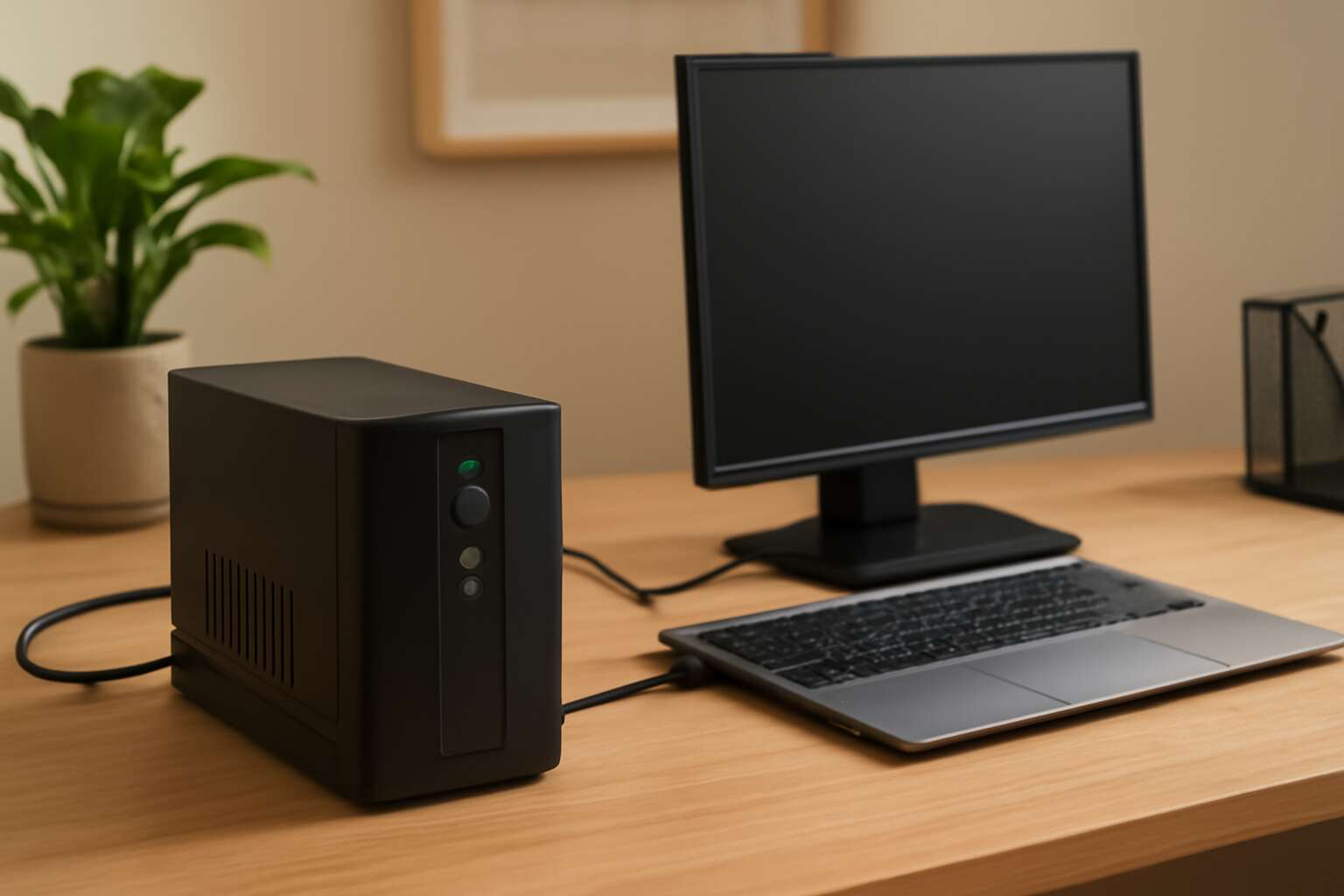
Assessing Your Power Needs
Understand your load profile
Across South Africa, outages shape the week and sharpen the memory of mornings when the kettle finally sings. “Power is presence,” I remind myself. When you ask what battery backup do i need, you’re not chasing a riddle—you’re choosing to restore the quiet certainty of home, even in the dark.
Your load profile is the heartbeat of a home. It reveals who consumes energy, when, and how bravely you navigate the night, letting light become a trust you can lean on.
To read that rhythm, consider three reflections:
- Critical vs non-critical loads
- Peak demand timing
- Desired outage autonomy
From there, the mind drifts toward a graceful balance—storage meeting generation and efficiency meeting appetite, shaping a future where power returns with a quiet smile.
Critical vs non-critical loads and uptime requirements
Power is presence, and in South Africa that presence is sometimes brief. An outage can rewrite your evening in seconds, turning plans into whispered recalibrations and coffee into a small act of defiance.
Assessing your power needs begins with critical vs non-critical loads and uptime requirements. Map what must stay on—refrigeration, security systems, medical devices—and what can wait. Then, decide how long you need autonomy: minutes during a short interruption or hours for a dark, chilly night.
To frame the split, consider these categories:
- Critical: fridge, router, CCTV, medical devices
- Non-critical: lighting, entertainment, pool pump
- Wanted uptime: 30 minutes, 2 hours, or longer
In this moment, many ask what battery backup do i need, and the answer unfolds from uptime targets and the efficiency of storage. When storage capacity meets your generation and consumption, quiet resilience returns with minimal fanfare.
Future expansion and growth considerations
Your power narrative shifts as the home grows: more devices, rooftop solar, perhaps an EV in the driveway. The question isn’t fixed—what battery backup do i need can change with each new room and hobby. It’s not only about keeping the fridge cold; it’s about room for a brighter tomorrow while the grid coughs and sighs.
To frame expansion, consider a few ongoing threads:
- Modularity that lets you swap or add batteries as needs shift
- Scalability to match rising loads without overhauling the system
- Local service and spare parts availability for South Africa
The idea is to let capacity breathe with life’s changing rhythms, rather than sit static as conditions evolve. Growth-friendly storage becomes less a purchase and more a patient, enduring partnership—quiet resilience that accepts the next chapter without drama.
Budgeting and timeline for backup power projects
South Africa’s grid fragility has a way of nudging home life toward resilience. If you’re asking what battery backup do i need, begin with your daily rhythm—the coffee, the Wi‑Fi, the fridge—and let a steady backbone guide the rest. “Power is companionship,” a resident once whispered, and that warmth informs the shape of your backup story.
Budgeting isn’t a single price tag; it’s a conversation with risk, growth, and the cadence of everyday life. Think about capital outlay, ongoing maintenance, and the availability of local service and spare parts.
- Capital outlay and total cost of ownership
- Local service, parts availability, and warranty
- Flexibility for future expansion and rooftop solar growth
Timeline unfolds like a measured quest: Phase 1 secures essential loads, Phase 2 adds modular packs as your solar capacity expands, Phase 3 aligns with EV charging and evolving workspaces. Each chapter keeps the home ready for tomorrow’s eclectic pace without drama.
Battery Technologies and Types
Lead-acid vs lithium-ion comparisons
When the lights blink, what battery backup do i need becomes a quiet lifeline question, and in South Africa reliability is more than convenience—it’s continuity. Different battery technologies promise different futures, but the choice should feel like a thoughtful conversation rather than a numeric equation.
Lead-acid batteries are rugged and affordable, but heavy and with shorter cycles. Lithium-ion cells pack more energy in the same space and last longer, yet carry a higher upfront price and sensitive temperature needs. Temperature and charging regimes shape performance in our climate as much as price does.
- Lead-acid: low upfront cost, robust with simple charging
- Lithium-ion: higher energy density, longer life, lighter weight
- Hybrid options can balance cost and performance
Ultimately, this becomes a personal assessment shaped by your load, space, and budget in South Africa’s grid reality.
Hybrid and modular battery systems
Across South Africa, the vow to stay powered runs like a quiet metronome. When the lights blink, what battery backup do i need becomes a lifeline question, a pledge that the day’s rhythm persists even as the grid rehearses its storms.
Hybrid and modular battery systems rise from the same stage with different solos. Hybrid setups blend chemistries for resilience; modular systems assemble capacity piece by piece, scalable and graceful, so growth feels like a conversation rather than a leap.
Key strengths of these approaches include:
- Incremental scalability
- Redundancy and resilience
- Maintenance simplicity
Tied to load profiles and budgets, they craft a narrative of continuity rather than a ledger of numbers.
UPS vs standalone backup batteries
Across South Africa, the vow to stay powered keeps time with load shedding. When the mains falter, the question what battery backup do i need becomes a lifeline, a promise that the lights stay on for home or office. I’ve seen communities improvise, and that resilience deserves a smart, thoughtful answer.
Battery technologies today offer a spectrum with a practical edge. For instant relief, a UPS handles momentary interruptions; for longer endurance, standalone battery banks stand ready.
- Fast-switch UPS for critical circuits
- Standalone battery banks for longer outages
- Modular architectures for easy expansion
Choosing what fits in South Africa means balancing reliability, space, and future plans. The right mix feels like a compass in a storm, guiding you toward steady uptime without overreaching the budget.
Lifecycle cost and maintenance implications
Power is a shoreline in a storm, and South Africa knows its tides all too well. Outages rewrite routines, budgets, and the quiet question what battery backup do i need becomes a lifeline—an oath that devices hum through the night until mains return.
- Cycle life, depth of discharge, and end-of-life criteria
- Thermal management and operating temperature ranges
- Monitoring, diagnostics, and predicted maintenance windows
When we speak of Battery Technologies and Types, the ledger of a system grows beyond upfront cost. Lifecycle cost and maintenance implications matter: how many cycles a cell can deliver, how it ages under heat, and when parts need tending or replacement.
Safety, venting, and fire risk considerations
In South Africa, outages often stretch for hours, turning a power gap into a nerve-wracking deadline. If you ask, what battery backup do i need, safety and fit—not just price or size—shape the answer.
Battery technologies carry safety flags: venting, fire risk, and how cells age under heat. The right system uses proper containment, clear ventilation, and thermal management to keep everything calm.
- Venting design to safely release pressure and prevent rupture
- Fire-risk mitigation through flame-retardant enclosures and separation of cells
- Thermal management to prevent overheating in hot South African summers
With monitoring and standards in mind, you scale with confidence, knowing safety layers guard uptime.
Environmental impact and recycling options
Outages in South Africa often stretch longer than a coffee break, turning a simple plan into a nerve test. Consider what battery backup do i need, not just price or size. Lithium-ion dominates modern homes for its energy density and reliable cycles, while lead-acid remains budget-friendly but bulky and less forgiving in heat. Newer chemistries such as solid-state and flow batteries promise safer thermal behavior in our hot summers. Safety and containment matter, but the right technology also scales with your needs and climate!
- Take-back programs from manufacturers
- Certified local recyclers and municipal e-waste services
- Safe disposal with established battery collection points
South Africa’s evolving e-waste guidelines help recover valuable materials while reducing mining footprints, a reminder that every choice echoes beyond the outlet box.
Determining Battery Capacity and Runtime
Calculating usable capacity and watt-hours
In a landscape of frequent outages, every watt counts. So, what battery backup do i need becomes a practical balance of capacity and uptime!
Usable capacity in watt-hours reveals how long a load can run. Formula: usable capacity = rated capacity × DoD × inverter efficiency. For example, a 12V 100Ah battery yields about 1,200 Wh; with 80% DoD and 90% efficiency, you glimpse roughly 864 Wh.
A few quick factors you can’t ignore include:
- Depth of discharge and cycling
- Ambient temperature effects
- Inverter efficiency
Together, these elements shape the answer to what battery backup do i need in South Africa’s practical, daily context.
Understanding depth of discharge and efficiency
Every watt counts when the grid stutters, and the question what battery backup do i need becomes a pocketful of practical decisions. I’ve stood on a dusty veranda, listening to a fridge hum back to life, and felt how a simple outage rearranges a family’s evening. Capacity is not just a number; it’s the quiet confidence of lights, a fan, and a phone charger staying powered when the sun sinks.
Usable energy, measured in watt-hours, tells you how long a load can run. The idea is simple: usable capacity = rated capacity × DoD × inverter efficiency. For example, a 12V 100Ah battery yields about 1,200 Wh; with 80% DoD and 90% efficiency, you glimpse roughly 864 Wh.
To translate that into daily reality, imagine your home’s evening pattern — bursts of demand from refrigeration, lighting, and essential electronics — and how changes in temperature or aging hardware can nudge those numbers. A quick mental model helps:
- Real-world load timing and peak bursts
- Inverter losses that shift with power draw
- Thermal conditions inside sheds and rooms
In South Africa’s rural heartlands, capacity planning isn’t just technique; it’s a daily act of resilience, a promise that the kettle will sing and the internet stays alive when the lights flicker.
Estimating runtime under different load scenarios
Determining battery capacity is less about numbers and more about the rhythm of your home. I think in minutes, not megawatt-hours, and map the evening where a fridge hums, a fan turns, and a modem stays online! what battery backup do i need
To estimate runtime under different load scenarios, start with essential loads and their duty cycle. Add a modest safety margin for temperature swings and aging equipment. Then translate usable energy into hours by dividing what you have by the hourly draw—revealing how long lights and basics can run.
- Evening outage with fridge, router, and lights
- Daytime outage during remote work
- Multi-day event with occasional cooling and charging needs
Runtimes stitched to your unique load pattern become a living story, not a statistic. what battery backup do i need for your SA home?
Peak demand handling and short-duration surges
Determining battery capacity isn’t about chasing precise kilowatt-hours; it’s about the rhythm of your home after lights go dark. If you’re wondering what battery backup do i need, map the evening in South Africa: a fridge that hums, a fan that sighs, and a modem that clings to the net.
To translate that rhythm into usable energy, begin with peak demand handling and short-duration surges. Create a tiny inventory of temporary draws and their seconds-long bursts. The following can guide your sizing:
- Fridge compressor surges
- Router/modem continuous draw
- Lights during dusk transition
In practice, you’ll compare the total watt-hours needed for your highest-activity minute to the usable capacity of your chosen battery, then cushion for aging and temperature. A living, breathing estimate perfects the art of staying lit when the world goes dark.
Degradation over time and replacement planning
In a country where load-shedding is a social ritual, one hour without power rewrites the evening script: the fridge hums with purpose, a fan sighs, and the modem finally finds its voice. The rhythm of outage reveals what your home can tolerate when the lights refuse to cooperate.
Determining capacity is less a calculation than a conversation about runtime degradation over time. Calendar aging and rising temperatures nibble at usable energy, so today’s comfort becomes tomorrow’s compromise. If you’re wondering what battery backup do i need, start with how capacity fades and how replacement planning threads into the system.
- Calendar aging reduces total energy available over years
- Temperature fluctuations accelerate chemical wear
- Depth of discharge and cycling shape usable life
Monitoring health and planning replacements keeps performance honest as components mature; a thoughtful approach respects warranties and future growth without theatrics.
Redundancy strategies for critical systems
Outages are a daily stage direction in South Africa, where a single hour without power can rewrite the evening—fridge hums with purpose, a fan sighs, and the modem finally finds its voice. “Power is a country’s heartbeat,” and when it falters, the question shifts from what you own to what you truly can rely on. When you ask what battery backup do i need, the answer is a conversation about margins and resilience, naming the lifelines and the minimum runtime you insist upon.
- Redundancy level and architecture for critical loads shape capacity without overkill.
- Modularity and scalable packs preserve growth without reengineering the whole system.
- N+1 concepts keep essential paths alive during outages and unusual surges.
- Thermal management and ventilation safeguard performance in SA heat.
Capacity becomes a story of margins, not a fixed number, with room for future demand and a quiet backbone for essentials when the grid falters.
System Sizing for Home and Small Business
Residential backup scenarios for essential circuits
System sizing for homes and small businesses in South Africa hinges on resilience meeting reality. In a country where load-shedding returns like clockwork, the question what battery backup do i need takes on practical urgency. Start by charting essential circuits, estimating outage duration, and picturing daily interruptions, then translate those numbers into a compact configuration that keeps critical duties humming without overspending.
Prioritise the core loads and translate them into a defensible sizing plan. Consider how long you can sustain these essentials during a blackout and let that guide the battery capacity and discharge depth you’re comfortable with. This approach clarifies what battery backup do i need for a compact home-office setup.
- Critical lighting and safety systems
- Security, alarms and access control
- Networking gear, routers, and essential workstations
- Refrigeration for perishables and medicines
- One or two essential pumps or climate controls
Small business needs: offices, servers, and POS
In South Africa, outages stretch budgets and patience—some days clock in around four hours of load-shedding. what battery backup do i need is a practical question when clocks stop and screens go dark. For home and small business setups, system sizing starts by identifying essential circuits, then estimating outage duration and envisioning daily interruptions so you can keep critical duties humming without overspending.
- Offices and workstations
- Servers and networking gear
- Point-of-sale terminals
From there, translate capacity into usable watt-hours and an appropriate depth of discharge, aligning with budget and space. This approach yields a succinct, defensible sizing plan for compact homes and small offices.
Panel and inverter sizing options
In South Africa, outages stretch budgets and patience; four hours of load-shedding is not unusual. When you ask what battery backup do i need, you’re not chasing a magic number—you’re orchestrating a daily rhythm that keeps essential duties humming.
System sizing for homes and small offices begins by pinpointing essential circuits and projecting outage duration, then translating capacity into practical energy and selecting a usable discharge strategy that fits space and budget.
- Panel sizing options: compact, modular, or scalable configurations
- Inverter sizing options: hybrid units with prioritization of essential loads vs standalone inverters
Generator integration and seamless transfer switches
South Africa’s outages bite daily life, especially in homes and small offices. System sizing for generator integration begins by pinpointing essential circuits and projecting outage duration, then translating capacity into practical energy and a usable discharge strategy that fits space and budget. what battery backup do i need becomes a guiding question that helps me align daily routines with power gaps.
Seamless transfer switches are the quiet heartbeat of a well-sized system, swapping power sources without drama and protecting sensitive equipment.
- Automatic transfer switch (ATS): switches to battery or generator within seconds for a truly seamless handover.
- Manual transfer switch: offers deliberate control when grid restoration is uncertain or testing is needed.
For homes and small offices, this configuration supports steady uptime while keeping equipment within safe margins. It respects space, budget, and future growth, so the rhythm of work and life continues with dignity even when the lights dim.
Modularity and future scalability
In South Africa, rolling outages have become part of daily life for homes and small offices. System sizing with modularity and future scalability means planning today to grow tomorrow. When you ask what battery backup do i need, you’re turning daily routines and space constraints into a practical capacity that respects budget and future potential. That’s a lot to plan, but the payoff is steady uptime.
A modular approach lets you add packs rather than replace systems. It seals uptime while staying aligned with local grid realities. Consider these modular features:
- Modular packs that scale with demand
- Stackable form factors designed for compact spaces
- Unified monitoring to flag performance issues early
This setup keeps the rhythm of life and work intact when the lights dim.
Installation, Safety, and Compliance
Installation best practices and mounting locations
Power is the quiet engine behind every business, and in South Africa outages are a daily drumbeat. When you ask what battery backup do i need, consider best practices: mount the unit on a solid wall, in a ventilated, accessible spot, away from heat, moisture, and dust.
Safety governs every connection—venting, clear labeling, and fire-safety clearances. Have a licensed electrician assess the work, keep distance from flammable materials, and follow local codes so maintenance stays straightforward and safe.
- Indoor wall in a dry area
- External enclosure for outdoor installs
Compliance matters: permits, SANS 10142-1 guidelines, and correct cabling sizing and labeling. A compliant install protects people and aligns with SA electrical practices.
Battery maintenance, testing, and replacement cycles
Maintenance is the unseen heartbeat of a reliable backup system. Regular checks keep terminals clean, cables tight, and the bank of cells balanced. A simple routine now can prevent outages later: inspect for corrosion, verify connections, and confirm ventilation remains unobstructed.
- Visual inspection of terminals and cabling
- Voltage checks and impedance testing
- Functional test under load
Safety matters most in every connection. Venting, labeling, and fire-safety clearances protect people and equipment. If you’re asking what battery backup do i need, frame the decision around dependable maintenance and documented tests, not guesswork.
Compliance keeps things above board. Permits, SANS 10142-1 guidelines, correct cabling sizing, and proper labeling align with SA electrical practices. Plan replacement cycles around manufacturer lifespans and warranty terms, and ensure safe disposal when the time comes.
Electrical code requirements and permits
Power outages cast a long shadow over South Africa, and a reliable installation begins with thoughtful placement. “Power is a quiet need, not a luxury,” a veteran installer reminds us, and the truth lingers in every room that stays lit when others go dark. Installation is the quiet architecture of resilience: siting for airflow, accessible cabling, and room for growth. what battery backup do i need becomes a question of space and heat as much as watts.
- Ventilation and thermal management
- Professional installation and verification
- Compliance with permits and labeling
Safety and compliance govern the contract between grid and gadget. Ventilation, unobstructed vents, fire-safety clearances, and clear labeling safeguard people and gear. For SA practice, adhere to SANS 10142-1, secure the necessary permits, size cabling correctly, and document all inspections.
Disposal at end-of-life follows safe, standards-based processes to close the loop in this nocturnal discipline.
Ventilation and thermal management considerations
Power outages are the quiet stress test of South African homes—one blackout, and the fridge becomes a prop in the drama. Installation begins with where you put the kit, how air moves, and how heat is managed. When you ask “what battery backup do i need”, you’re weighing space, heat, and future growth as much as watts.
Ventilation and thermal management aren’t decorative; they keep packs within safe temps, preserve capacity, and prevent thermal runaway. Consider these basics:
- Clearance around vents and heat sinks for unobstructed airflow
- Accessible cabling routes with proper strain relief
- Room for expansion and adequate cooling in enclosed spaces
Safety and compliance govern the contract between grid and gadget: unobstructed vents, fire-safety clearances, clear labeling, and verified installation. For SA practice, adhere to SANS 10142-1, secure permits, size cabling correctly, and document inspections.
Warranty, service contracts, and support options
Installation marks the moment the outage stops steering your day. When you ask what battery backup do i need, you’re weighing more than watts: space, heat, and the quiet promise of growth. A professional install aligns the cabinet, routes cables, and ensures the kit sits with dignity in its corner of the home or office.
Safety and compliance aren’t niceties but the contract between grid and gadget. Unobstructed labels, verified installations, and routine checks protect people and property—and keep warranties intact. For SA practice, accredited installers and clear documentation turn risk into reliability.
Warranty, service contracts, and support options provide the spine when the lights return. Look for coverage that includes remote monitoring, on-site visits, and predictable replacement cycles.
- Standard warranty with annual service checks
- Remote diagnostics and firmware updates
- Priority response and parts supply

0 Comments