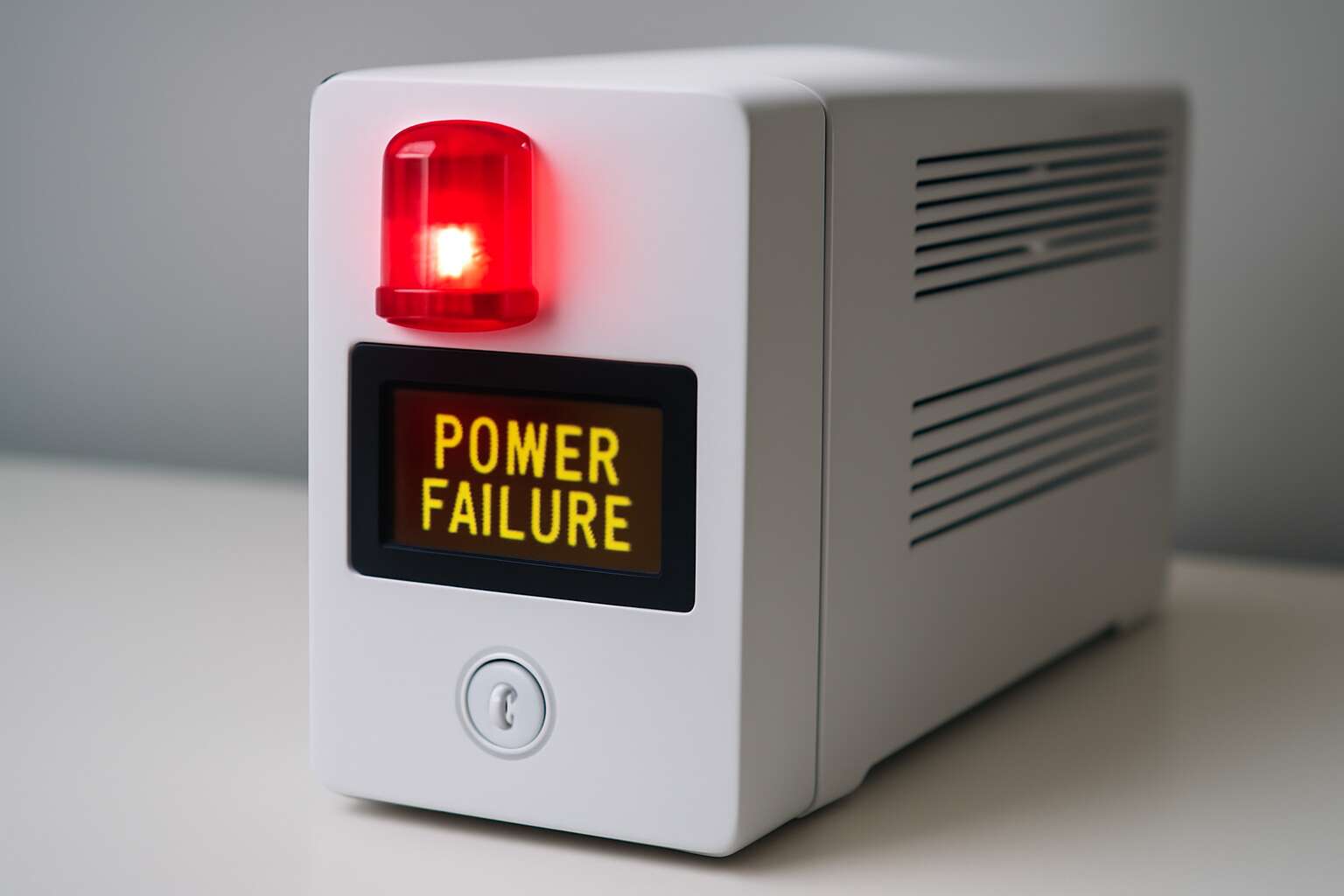
Understanding Battery Backup Alarms
Definition and purpose
Power plays tricks on South Africa’s grids, and the moment the lights flicker, a battery backup alarm going off becomes the unsung hero in the room. “Keep calm and keep the lights on,” is the motto professionals live by when the outage hits—because timing matters more than drama.
Understanding battery backup alarms means grasping what they do: sensors monitor main power, trigger an alarm when voltage dips, and coordinate with a standby supply to keep critical loads humming. In plain terms, they’re guardians of continuity, the checkpoint between outage and uptime.
Purpose includes safeguarding data, preserving safety, and preventing equipment damage. Consider these roles:
- Audible alerts that prompt quick action during outages
- Protection for sensitive gear and dependent systems
- Continuity of essential services when power is unstable
Core components and sensors
Power’s quiet rebellion meets its counterpoint the moment the battery backup alarm going off slices through a room like a clear signal. In South Africa’s offices and data rooms, it becomes the breath before continuity, a deliberate pause that keeps the lights from vanishing.
In this framework, core components and sensors orchestrate harmony rather than panic.
- Voltage sensing module monitors incoming power to catch dips early
- Inverter/charger controller coordinates the shift to backup power
- Battery health monitor tracks charge, temperature, and aging
- Alarm annunciation and remote signaling ensures timely alerts
Together, these parts form a vigilant perimeter around fragile loads, translating fluctuation into fidelity and giving teams time to respond.
Common use cases in homes and offices
South Africa’s grid dances to its own rhythm, and the battery backup alarm going off becomes a guiding chorus in homes and offices. It’s not a siren of doom but a signal that continuity is possible when lights falter. In these moments, spaces recalibrate, and teams lean into resilience with calm, curious focus.
Common use cases include:
- Home offices and remote learning setups that demand constant connectivity during load shedding
- Small businesses keeping tills, routers, and point-of-sale systems online
- Data rooms, clinics, and school IT closets where uptime protects records and care routines
The cadence of the alarm translates fluctuation into fidelity, turning surprise into a measured pause that keeps momentum intact.
Common Triggers for Alarm Activations
Power fluctuations and outages
In a land where outages craft the daily rhythm, the battery backup alarm going off becomes a bright metronome of resilience. It doesn’t simply sound; it tells a tale of power steering through darkness, a lighthouse when mains fail!
Common triggers for alarm activations center on the capricious nature of the grid: power fluctuations and outages are the usual suspects, while surges and brownouts on grid restoration test the inverter’s patience.
- Power fluctuations and outages
- Voltage surges when the mains are restored
- Voltage sags during peak demand or load shedding
- Spikes during generator transfer
- Electrical noise from nearby motors or resistance in wiring
Each trigger paints a moment in the system’s memory, prompting the alarm to safeguard connected devices with calm certainty. Reading these signals reveals a narrative of infrastructure within a South African home or office, where resilience is part of daily life.
Low battery and end-of-life alerts
That urgent beep you hear when the lights flicker isn’t just noise—it’s a lifeline. The battery backup alarm going off acts like a quiet metronome, signaling that resilience is online before the power cuts claim the room. In practice, its triggers emerge from the grid’s mood swings and from the aging cells within the unit.
Two triggers dominate: low battery and end-of-life alerts. A dwindling charge pulls the alarm into action, reminding you the buffer is thinning. End-of-life alerts warn when the battery can no longer hold a reliable charge, a sign the unit has served beyond its useful life and needs replacement.
- Low battery alert: the system detects insufficient charge and beeps to prompt a recharge or replacement.
- End-of-life alert: the battery has aged beyond useful capacity and should be replaced to restore reliability.
Wrapped in a South African context, these signals reinforce that a well-tuned backup system is not a luxury but a daily shield for devices and data. When the battery backup alarm going off punctuates a night outage, it becomes more than sound—it is proof that resilience is wired into the home and office.
Environmental factors and placement
Power in South Africa is as capricious as weather. Environmental quirks—heat, dust, humidity—press on back-up electronics, and the alarm becomes a quiet witness.
The triggers for alarm activations aren’t random; they map the room’s microclimate and placement quirks, turning power events into a signal you can’t ignore. That battery backup alarm going off is more than noise—it’s a weather map for your infrastructure.
Environmental factors and placement to watch include:
- Extreme temperatures and humidity strain battery chemistry
- Dust and corrosive air from kitchens, garages, workshops
- Proximity to heat sources or direct sunlight
- Vibration from nearby machinery or unstable mounting
- Poor cable management and airflow around the unit
In the end, the sound is a reality check—a reminder that a well-placed battery backup is part of the room’s quiet defense against the unseen intensities of the grid. That battery backup alarm going off remains a stark reminder of what’s at stake.
Sensor cross-talk and false positives
On a South African night, battery backup alarm going off can feel like a broken siren in the wall. The real culprit? Sensor cross-talk, where nearby sensors pick up each other’s signals and misread a routine blip as a fault.
In practice, cross-talk shows up when sensors share cabling, run on the same bus, or when EMI from kitchens, routers, or HVAC devices sneaks into the circuit. Quick electrical transients and common-mode noise are all part of the pattern!
The lesson, for me, is poetic rather than punitive: cross-talk and false positives remind us that the room speaks in whispers, turning a quiet room into a chorus of signals and shadows.
Troubleshooting and Fixes
Diagnostic steps you can perform
Power drama in South Africa often begins with a single chirp and ends in a boardroom standoff. The battery backup alarm going off can feel melodramatic, yet a calm diagnostic mindset turns noise into knowledge. Focus on basics, timing, and patterns rather than chasing a mythical reset button.
Diagnostic steps you can perform involve reading the system’s signals rather than guessing. Look for power source stability, note any sensor cross-talk, and audit recent load-shedding events. If the alarm repeats in a pattern aligned with environmental quirks—drafts, heat, or awkward placement—you’re likely chasing a misreading rather than a fault in the grid.
Bottom line: alignment and awareness beat panic. Document patterns, consider environmental tweaks, and maintain a steady maintenance rhythm that keeps the office humming through SA’s power quirks.
Resetting and reconfiguring the device
In SA’s power landscape, a single ping can redraw the room’s air. The battery backup alarm going off becomes more than noise; it is a cue. The sane response is to listen, read the patterns, and let calm judgment replace panic.
Resetting and reconfiguring the device is a deliberate realignment, not a shortcut. Consider firmware harmony, sensor calibration, and alert thresholds that echo current conditions.
- Firmware compatibility
- Sensor calibration
- Alert threshold alignment
Each element re-anchors the system, reducing misreads and preserving steadiness when power temps tilt again.
Quiet focus turns risk into reliability; steady maintenance keeps SA offices humming.
Battery replacement and component checks
Troubleshooting and fixes begin with calm observation. When the battery backup alarm going off interrupts a busy morning, it’s a signal, not noise. In SA offices, aging hardware, loose terminals, or a fatigued backup module can all conspire to misread a momentary power blip.
- Battery health indicators: swelling, corrosion, or a noticeable drop in capacity suggest aging.
- Connection integrity: check for loose or corroded terminals that interrupt power flow.
- Module status: diagnostic lights or codes hint at where attention is needed.
Once the system breathes again, the room settles. Mindful maintenance helps the office stay steady through the next outage.
When to contact support or a licensed electrician
That battery backup alarm going off can derail a morning like a caffeine-fueled boom box. In South Africa, it’s less a nuisance and more a signal about system health. Rather than panic, approach it with method: note any repeated chirps after a reset and look for patterns that hint at a fault, not a mood swing.
Escalation is part of responsible maintenance. If the alarm persists or shows fault codes, it’s time to contact support or a licensed electrician for a precise diagnosis. For any safety concerns, switch off power at the main breaker and seek professional help immediately.
- Persistent alarm after a reset or power restoration
- Visible fault codes or distinctive LED patterns
- Unusual signs such as burning smells, arcing, or obvious damage
Maintenance and Longevity Tips
Regular inspection routines
Maintenance isn’t glamorous, but it’s the quiet heartbeat behind every reliable alarm. In South Africa’s homes, a well-tended system breathes easier; when the battery backup alarm going off becomes the uninvited chorus, it’s a weather vane signaling wear. A trusted technician once whispered, “Listen to the hum before it screams”—and that advice still guides every vigilant check.
Longevity rests on safeguarding the system from heat surges, dust encroachment, and mechanical vibrations. Choose a location with steady airflow and avoid obvious sources of interference. In practice, this means a calm, clean corner that respects the device’s quiet, protective aura.
- Environment and enclosure integrity
- Regular checks on sensor health and seal condition
- Manufacturer-recommended updates and calibration
Let maintenance linger like a soft spell: it invites reliability rather than drama, and your space stays guarded when the lights falter.
Battery care and replacement schedules
Power outages have become a daily reality in many parts of South Africa, and a healthy backup system is the quiet ballast of a safe home. That moment when the battery backup alarm going off interrupts the silence isn’t drama; it’s a reminder to check the health of that energy guardian before wear becomes failure.
Longevity hinges on stable charging, temperature, and respectful treatment of the battery chemistry. Keep the unit in a cool, dry spot and avoid heat spikes, dust, and vibration. Follow manufacturer guidance for replacement schedules, and resist the urge to stretch life beyond what the maker recommends. A few non-negotiables influence longevity:
- Ambient temperature stability
- Battery chemistry and age
- Software updates from the maker
Regular, non-invasive checks by a technician help ensure the pack remains ready when the lights go out.
Firmware updates and software health
In a world of outages, the battery backup alarm going off is a stark cue—yet the true craft lies in firmware that never fails to listen. It is the quiet guardian that keeps your home safe when lights flicker and doors sigh shut.
Firmware updates from the maker tune charging algorithms, calibrate sensors, and mend bugs that misread battery health. Software health keeps the alarm honest, and a well-maintained board ages with grace rather than drifting into misalignment.
Consider these software-health reflections:
- Official updates from the manufacturer align with your battery chemistry and system sensor expectations.
- Stable network connectivity preserves update integrity and guards against corrupted installs.
- Backups and rollback options preserve configuration should anything unexpected occur.
- Post-update diagnostics help confirm the system remains reliable without unintended alarms.
In South Africa’s fluctuating power landscape, steadfast software health is the difference between a sleeping guardian and a chorus of fluttering alerts.
Choosing the Right Battery Backup Alarm
Key features to look for
In a country where load shedding dominates headlines, a battery backup alarm going off isn’t drama—it’s a lifeline. When power flickers, the right device keeps critical systems awake and your peace of mind intact. I’ve seen these quiet guardians calm anxious spaces, their heartbeat guiding us through the night!
Prioritize a long-lasting, easily replaceable battery, clear status indicators, and versatile alert options that travel through walls and workspaces. We weigh these features against your space and budget. A robust enclosure suited to South Africa’s heat and humidity helps prevent false alarms, while smart diagnostics quietly monitor health, preventing surprise outages.
- Real-time health monitoring
- Audible and visual alerts
- Battery type compatibility
- Rugged, heat-tolerant casing
Backup duration and power options
South Africa’s load shedding drags drama into every room, turning outage clocks into the only reliable metronome. The battery backup alarm going off isn’t a melodrama—it’s a lifeline, keeping essential systems online and your sanity intact. When power flickers, the right unit quietly sustains a router, a modem, and a couple of critical sensors, letting you breathe and plan the next outage without sprinting for candles.
Choosing backup duration and power options is a balance of runtime, space, and budget. Prioritize models with extended uptime and easy battery replacement, plus modular packs you can swap in as needed.
- Long-life internal batteries with swappable packs
- External UPS modules or expandable packs
- Solar-ready hybrid charging for longer outages
If the battery backup alarm going off becomes a nightly soundtrack, select a setup that preserves quiet performance and critical functionality without breaking the bank.
Smart alerts and integration
In South Africa’s grid drama, a single blink can derail a day. A battery backup alarm going off is not drama—it’s a lifeline that keeps your modem online and your actions measured. When the power hiccups, it’s the quiet guardian in a matte black box, insisting that connectivity survives the outage.
Smart alerts and integration make that lifeline intelligent rather than noisy. Look for units that push notifications to your phone, sync with your router, and play nicely with solar charging or battery packs. The goal is a seamless signal that doesn’t scream when the grid loses its nerve.
Quiet performance matters; you want it to sag gracefully into the background while preserving uptime. If the battery backup alarm going off becomes a nightly soundtrack, you’ll want it to stay reliable. Choose models with long-lifetime cells and simple battery pack swaps, so you don’t chase replacements every outage season.
Pricing, warranties, and support
South Africa’s grid drama makes outages feel like weather changes. “Power outages aren’t interruptions; they’re delays we plan around,” insists a Cape Town IT pro. The battery backup alarm going off becomes your quiet ally, keeping modems online and plans intact.
Pricing, warranties, and support shape whether the lifeline stays steady. Look for transparent pricing, generous warranty terms, and accessible service.
- Transparent pricing with clear inclusions
- Warranty coverage for hardware and battery packs
- Reliable local support and fast response times
With spare parts availability and reputable backing, you gain reliability in South Africa’s power landscape. Solid pricing, robust warranties, and dependable support ensure the lifeline remains a quiet guardian.
Safety, Compliance, and Best Practices
Safe installation tips
Power outages are a daily reality in South Africa, turning an ordinary night into a test of vigilance. I see a well-tuned alarm act not as noise but as moral ballast—reminding me that “Safety is a habit, not a feature,” and responsibility lives in steady, quiet monitoring.
Safety and compliance demand careful installation, clear labeling, and adherence to local guidelines. When the battery backup alarm going off, it’s a signal to verify placement and power sources.
- Mount away from steam, kitchens, and damp areas.
- Test weekly and log results for traceability.
Best practices require ongoing checks and simple documentation. Treat maintenance as a routine shield, turning potential risk into dependable protection for everyone in the home.
Codes and standards to consider
Safety is the quiet discipline that steadies a home through South Africa’s unpredictable outages. When the battery backup alarm going off slices through the night, it becomes more than noise: a moral anchor, a reminder that vigilance is a daily craft not a feature on a spec sheet. Codes and standards shape that craft, turning instinct into policy, and guiding installers and homeowners toward boundaries that protect life and property.
Compliance rests on aligning with national and local guidelines—SANS standards, building and fire safety codes, and municipal by-laws—without surrendering human judgment. Best practices demand that systems ride the edge of reliability with careful documentation, traceable maintenance, and respect for the environment. In this light, safety and standards become a shared language of care.
Noise management and community considerations
Safety underpins every South African home’s response to outages; when the battery backup alarm going off rips through quiet, it tests more than nerves—it tests trust in the system and in the neighbors who share the street.
Compliance weaves with municipal by-laws and SANS standards; the alarm’s sound is a signal of vigilance, not a nuisance. Best practices require documented boundaries and respectful integration with other safety measures.
Noise management matters; consider the fray of apartments and offices where a sharp ping can echo through walls, prompting questions and quiet diplomacy.
- Community impact and perception
- Coordination with building management and local authorities
- Environmental considerations and long-term sustainability
In the end, safety, compliance, and best practices become a common language—one that keeps life, property, and relationships intact when the lights fail. The battery backup alarm going off isn’t merely a sound; it’s a civic nudge to care.
End-of-life disposal and recycling guidelines
Safety drives every South African home during outages. When the battery backup alarm going off shatters the silence, it isn’t just noise—it’s a reminder to handle equipment with care, keep safe distances from damaged batteries, and follow manufacturer recommendations to prevent harm. A sound like a whispered knock from a quiet guardian, urging preparation rather than panic.
Compliance ties into municipal by-laws and SANS standards; end-of-life handling should align with local rules and accredited recyclers. Using certified facilities protects people, property, and the environment, and ensures records are kept for audits and future reference.
Best practices demand clear end-of-life disposal and recycling guidelines.
- Use licensed e-waste collectors to recover batteries safely.
- Do not incinerate or puncture cells.
- Separate battery types and label packaging for recycling.
- Obtain disposal receipts for compliance records.



0 Comments