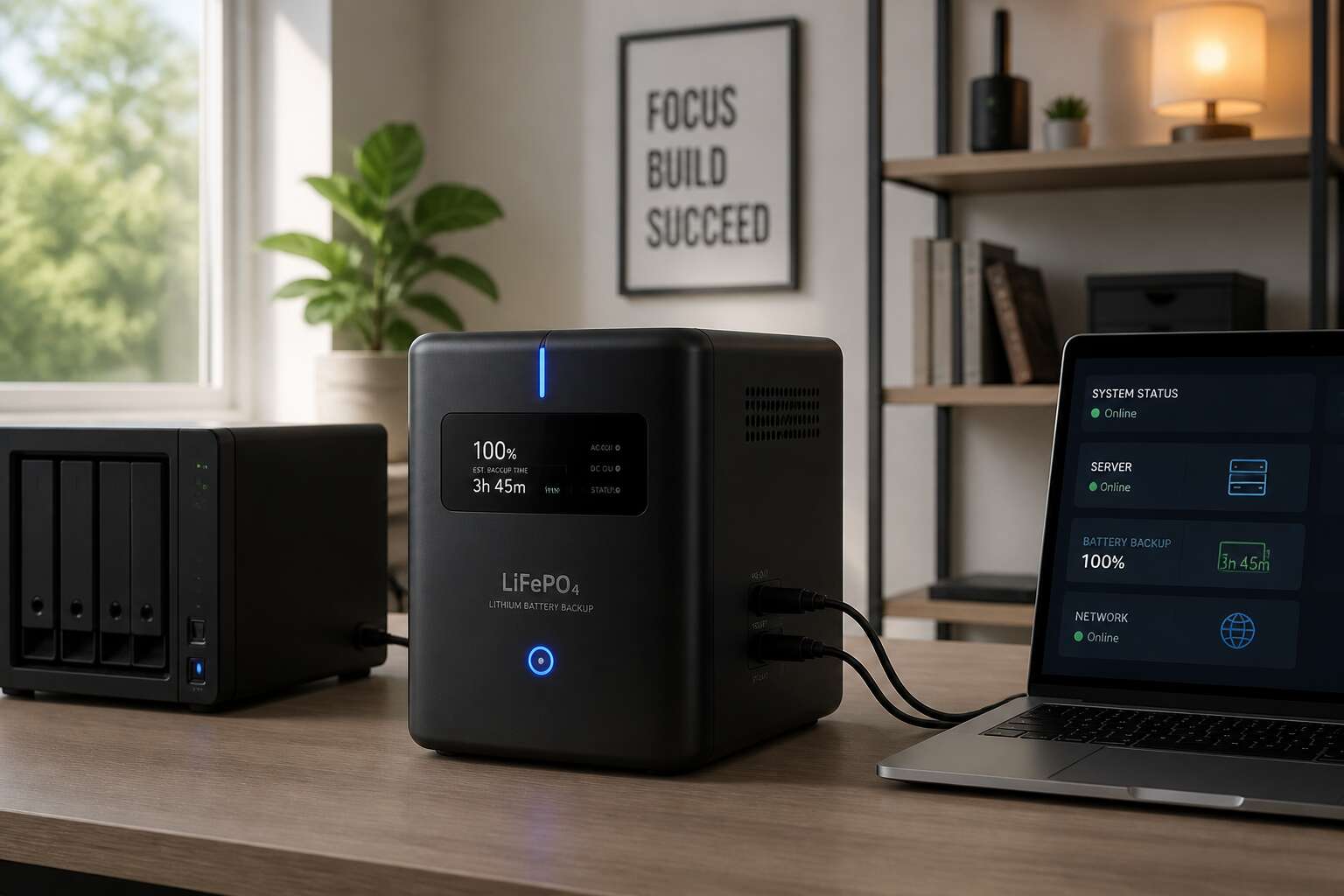
Understanding Lithium Backup Power Technology
When the grid falters, the silence of a lithium battery is a small miracle. Unlike older technologies, a battery backup lithium system responds in milliseconds, holding the rhythm of your home steady. Long, slow drain cycles can harm lead acid units, but lithium chemistry handles depth of discharge with grace. This is the quiet revolution of modern energy storage.
We see it in how these units manage power. They monitor temperature, voltage, and current constantly. A battery backup lithium unit will protect your sensitive electronics from surges that would otherwise ruin them. It is a peace of mind that hums quietly in your garage.
The benefits are tangible:
– Uninterrupted power for routers and wifi
– Longer lifespan compared to traditional batteries
– Faster recharge when municipal supply returns
This efficiency means less wasted energy and more usable electricity for your household. The cells themselves do not require the maintenance that older types demanded. For South African homes, this is not merely a purchase. It is a shift in how we think about electricity.
Key Advantages of Lithium-Based Storage Systems
Load shedding has taught us to respect the hum of a reliable power source. For many families in South Africa, the battery backup lithium system has become essential. Lithium-based storage offers distinct advantages over older alternatives.
- It charges quickly, so you spend less time waiting.
- It lasts through many more cycles, year after year.
- It holds its capacity even in heat.
I installed mine two winters ago. The difference is not subtle! When the grid fails, my home stays calm, my children do their homework, and the kettle still boils. That is the real value of dependable storage.
Selecting the Right Lithium Backup Solution
The power vanishes without warning, a familiar ritual in South Africa. Selecting the right battery backup lithium system becomes a quiet act of survival. I have seen units fail under pressure, and others outlast every storm. Your decision depends on three things: capacity, discharge depth, and cycle longevity.
- Measure your essential appliances first.
- Calculate your daily consumption honestly.
- Choose a system with a battery management unit.
The warranty often reveals true quality, so demand a ten year promise. The ideal backup never announces itself. It simply hums in the dark, keeping your world alive until the lights return.
Installation and Safety Considerations
Installing a battery backup lithium system demands more than technical knowhow. It asks for patience and respect for the energy stored inside. I have seen rushed installations fail, not from faulty units, but from overlooked details like torque specs and terminal corrosion. Every connection tells a story of care or neglect.
Before you begin, check your environment. Heat is the silent enemy. Ventilation matters, even for lithium chemistry. You also need to consider load calculations. A system sized too tightly will strain under peak demand.
Keep these safety checks close at hand:
- Inspect all cables for wear or exposed copper.
- Use a torque wrench on every busbar connection.
- Confirm the inverter matches your battery voltage range.
Grounding is non negotiable. Without it, you invite fault currents into places they should never go. Trust the manual, but verify with your own eyes. A battery backup lithium installation is a quiet contract between you and the technology, one that rewards diligence with years of steady service.
Cost Analysis and Return on Investment
Let’s talk rands and sense. A battery backup lithium system might seem like an unnecessary expense until the lights die. The initial outlay stings, yes! But consider the cost of an idle generator, the diesel, the noise, and the apology text messages to clients.
Your return on investment hides in the hours you keep working. Load shedding doesn’t care about your deadlines. This setup pays for itself every time you avoid a data loss or a missed order. Calculate the value of an uninterrupted afternoon. That’s your real dividend.
For a quick sanity check, weigh these factors:
- Battery lifespan versus replacement cycles
- Electricity savings from solar integration
- Downtime costs you can finally erase
No spreadsheet captures the relief of watching the kettle boil while the neighbourhood sits in darkness. That is the quiet ROI nobody quotes.
Emerging Trends in Lithium Storage Advancements
Load shedding has made battery backup lithium a common sight in South African homes. But the technology behind it is shifting quickly!
Lithium iron phosphate cells now outlast older chemistries, while advanced management systems optimise every charge cycle. Emerging trends include:
- Solid state cells with higher energy density and reduced thermal risk.
- Sodium ion hybrids that lower cost for large scale installations.
- Modular units that expand as your power needs grow.
These developments are pushing the next generation of backup storage toward safer, more flexible energy solutions. For homeowners, that means more reliable power and less wasted capacity.



0 Comments