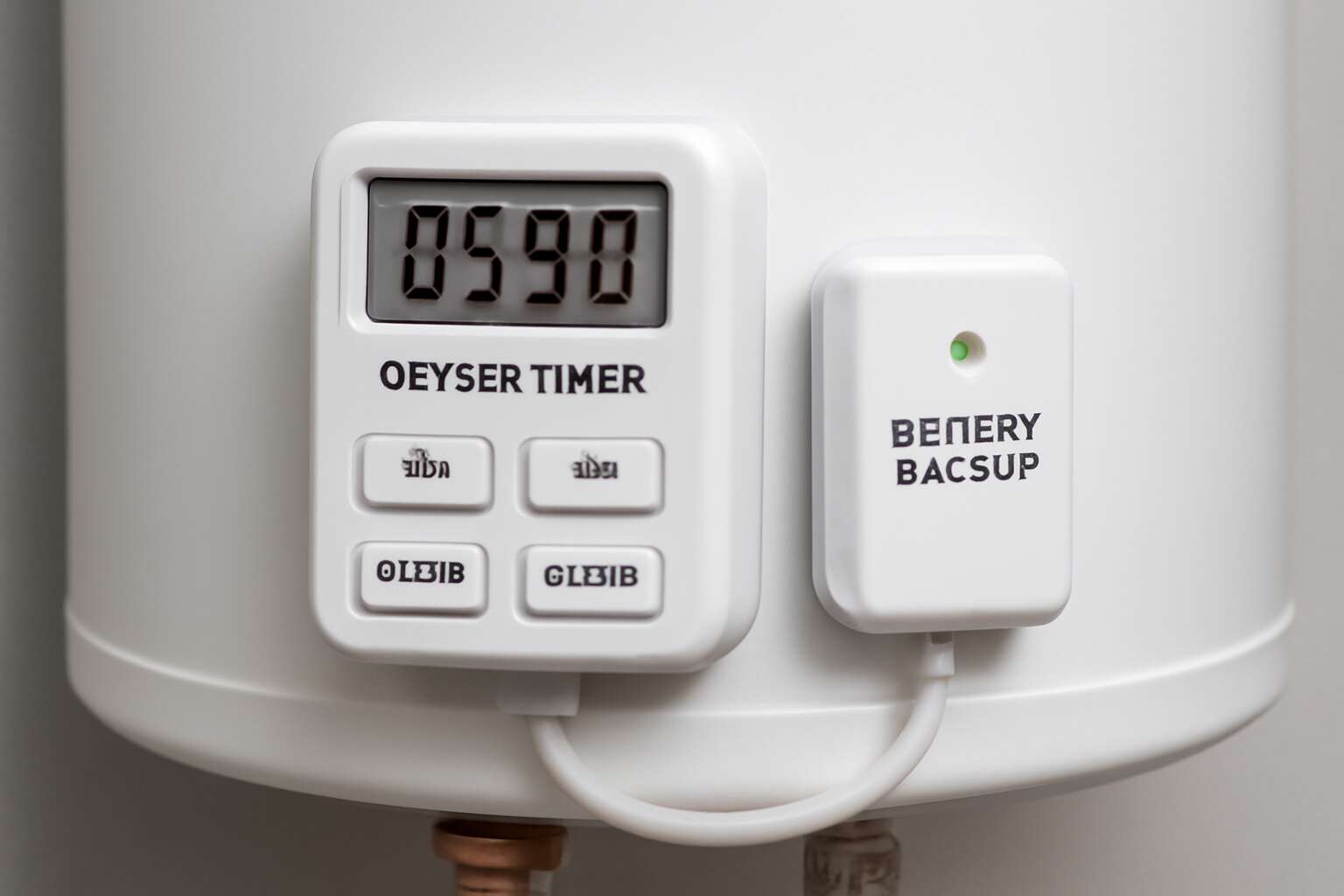
Understanding geyser timers and battery backup
What is a geyser timer
Across South Africa, the geyser is often the single largest energy drain in a home. Understanding a geyser timer with battery backup reveals how small choices can yield big savings, even when the lights flicker. It’s a practical fusion of scheduling and resilience that can redefine daily routines.
From my experience, battery-backed timers let the heater follow a smarter clock— heating only when heat is affordable or necessary. You gain predictability, reduce waste, and maintain hot water reliability during outages. It’s not just technology; it’s a quiet commitment to efficiency.
- Optimizes off-peak usage for lower bills
- Preserves your morning routine during outages
- Simple integration with most geysers
How battery backup works with geyser timers
Understanding geyser timers and battery backup reveals a practical quiet revolution in South Africa’s homes. In a country where peak electricity demand often tests the grid, a well-timed hot shower becomes evidence of mindful engineering rather than luck. A geyser timer with battery backup extends this logic, letting heating follow a disciplined clock even as lights flicker.
- Maintains schedules when mains power falters, preserving routine
- Preloads hot water during off-peak pricing to lower bills
- Integrates seamlessly with most geysers without major rewiring
Behind the scenes, a compact battery powers the timer’s electronics, ensuring the clock runs and the valves respond when mains power is absent. As soon as the grid stabilizes, energy fans recharge the unit, and the system reverses to its regular rhythm, minimizing wasted heat while keeping warmth ready for the next call of nature. In practice, the geyser timer with battery backup becomes part of daily resilience.
Key components of a reliable timer system
“A steady heartbeat keeps the night singing,” a South African installer once teased. Understanding geyser timers and battery backup reveals the core of a reliable system—where a disciplined clock meets practical resilience. When the grid stumbles, a smart timer stays calm, guiding warmth with quiet certainty.
- Low-power clock module
- Backup power source
- Solid-state or relay switch
- Battery management circuit
- Secure SA-rated enclosure
- User-friendly scheduling interface
These components make a compact heart that keeps heating to a scheduled rhythm. The clock runs, the battery safeguards moments of blackout, and the switch nudges the geyser to follow the plan. This is the essence of a geyser timer with battery backup. It harmonises with off-peak pricing and the rhythmic cadence of South African evenings.
A true geyser timer with battery backup becomes the quiet pledge of resilience. Warmth remains a steady companion through outages and dawn.
Differences between mechanical and digital timers
In South Africa, outages linger like a soft drumbeat beneath daily life. A well-timed geyser timer anchors warmth when lights flicker, turning chaos into calm. “A steady heartbeat keeps the night singing,” a SA installer once teased.
Differences between mechanical and digital timers reveal where practicality meets precision. A geyser timer with battery backup sits at the crossroads, offering rugged simplicity or refined control.
- Mechanical timers are rugged, low-cost, and rely on a simple clockwork action; they excel where reliability matters more than frequent reprogramming.
- Digital timers provide minute-level scheduling, memory of settings when power drops, and easier off-peak alignment—yet they depend on electronics and a battery in backup mode.
Whichever path you choose, the core remains: warmth follows a quiet cadence, even as the night holds its breath. The resilience of energy storage unfolds in every calibrated click.
Benefits and use cases
Energy savings and cost benefits
Water heating accounts for up to 40% of a South African home’s electricity usage. A geyser timer with battery backup turns that burden into a strategic advantage, choreographing hot-water moments with precision while staying dependable during outages and load-shedding gaps.
Use cases span compact city homes, rental properties, and schools where outages are common. It schedules off-peak heating, protects against cost spikes, and keeps essential warm water available for families and hospitality settings.
- Schedule hot-water bursts to match off-peak tariffs
- Maintain showers during load shedding
- Limit geyser cycling to extend element life
Over time, energy savings translate into genuine cost benefits, reducing peak-demand charges and the overall bill. The geyser timer with battery backup sharpens that return on investment, delivering reliable hot water when it matters most and shaving waste from every kilowatt hour.
Uninterrupted hot water supply scenarios
In South Africa, geysers gulp power—accounting for up to 40% of a typical home’s electricity—and the geyser timer with battery backup turns that burden into a strategic advantage, choreographing hot-water moments with surgical precision even when the lights bow out.
For compact city flats, rental portfolios, and schools where outages are a daily drama, uninterrupted hot water becomes a practical asset. It schedules off-peak heating, guards against price spikes, and keeps essential warmth available for busy households and guest-friendly environments.
- Coordinated heating around off-peak windows to shave bills
- Shower continuity during load shedding with confidence
- Reduced cycling to extend geyser element life
Over time, energy savings translate into genuine cost benefits, with the geyser timer with battery backup sharpening the return on investment and delivering reliable hot water when it matters most, trimming waste from every kilowatt hour.
Smart features that add value
Geysers gulp up to 40% of a typical home’s electricity—so the right timing is more than convenience; it’s economy. The geyser timer with battery backup earns its keep by turning that burden into a strategic advantage, delivering hot water on your terms even when the lights bow out.
In compact city flats, rental portfolios, and schools where outages are daily drama, this device shines by supporting reliable water heating and reducing wear on heating elements. Here are features that translate into real-world benefits:
- Adaptive scheduling adapts to your lifestyle without sweating the math
- Battery-backed resilience ensures showers during load shedding
- Remote monitoring and alerts for maintenance and peace of mind
- Smart fault detection to catch issues before they become big problems
Compatibility with solar and grid power
Geysers gulp up to 40% of a typical home’s electricity—a stubborn heat tax that silently drains budgets. The geyser timer with battery backup turns that burden into a strategic advantage, delivering hot water on cue even when the power fails.
In compact city flats, rental portfolios, and schools in South Africa where outages are daily drama, the device shines by aligning heating with solar or grid power—preserving elements and keeping showers within reach as the sun shifts.
Benefits in practice include:
- Adaptive scheduling that syncs with real-life rhythms without manual math
- Battery-backed resilience ensures showers during load shedding
- Remote monitoring and alerts for maintenance and peace of mind
With seamless solar compatibility and grid fallback, this technology harmonizes energy supply and demand, shielding households from sudden price spikes and the sting of outages.
Buying guide and features to compare
Battery backup specs to look for
Across South Africa, where load shedding writes its own clock on daily life, a geyser timer with battery backup acts as a quiet guardian of comfort and routine. In this buying guide, focus falls on battery backup specs that keep mornings warm and promises intact when the grid falters.
- Battery chemistry and type: Li-ion versus lead-acid
- Capacity (Ah) and estimated backup hours
- Recharge method and cycle resilience
- Battery management features: low-voltage cut-off, indicators
Look for clear indicators, tested warranties, and reputable support—these guardrails turn a simple purchase into lasting warmth.
Modes, programming, and scheduling options
Across South Africa, where load shedding writes its own clock on daily life, mornings deserve warmth even when the grid stumbles. A geyser timer with battery backup acts as a quiet guardian of comfort, turning unpredictability into ritual.
When you compare features, modes and programming options steer the decision as surely as dawn.
- Auto mode with time windows
- Manual override for weekends
- Eco or off-peak optimization
These options let you tailor hot-water usage to daily rhythms while staying reliable during load-shedding gaps. I’ve seen how subtle shifts in timing translate to calmer mornings and happier homes.
Scheduling flexibility includes weekday vs weekend blocks, staggered start times, and remote adjustments via an app. A thoughtful interface balances simplicity with control, ensuring warmth without complexity.
Safety and installation considerations
Warmth should be a given, not a luxury, especially when the grid flirts with darkness. When choosing a geyser timer with battery backup, treat it as a quiet guardian that keeps morning rituals intact and preserves small daily joys through outages.
Key buying criteria translate into three simple questions: does the unit sustain hot water during load-shedding, how precise is the scheduling, and how well does it integrate with solar or back-up power in a South Africa home?
- Battery capacity and runtime during outages
- Time precision and programming flexibility
- Safety certifications and weatherproof rating
- Solar/grid compatibility and ease of remote control
Safety and installation considerations remind us to involve a licensed electrician, verify compliance with local electrical codes, and choose a weatherproof enclosure.
Brand, warranty, and after-sales support
Choosing a geyser timer with battery backup isn’t just selecting a gadget—it’s safeguarding your mornings. In South Africa’s outage-prone homes, brand reliability, solid warranty, and dependable after-sales service become the quiet guardians of routine. A trusted name translates to fewer surprises when power returns and hot water flows again.
Use this buying guide to compare essentials at a glance:
- Brand reputation and local service network
- Warranty length and coverage specifics
- After-sales support, spare parts availability, and service response times
With these criteria in hand, aim for a geyser timer with battery backup from a manufacturer that offers clear terms, accessible support, and value beyond price. A smart choice keeps the water hot and the mood steady when the grid falters!
Installation, maintenance, and troubleshooting
Installation steps and necessary tools
Across South Africa, hot water is a daily prerequisite and energy waste is a stubborn foe. The geyser timer with battery backup acts as a steadying hand, fielding schedules that align with off-peak power and your shower routine. Installation begins with a quick safety check, followed by mounting the unit close to the geyser and running the feed through its circuitry. With the battery backup in place, you gain reliability even during outages.
- Screwdriver set (flat-head and Philips)
- Non-contact voltage tester
- Digital multimeter
- Electrical tape and silicone sealant
- Adjustable spanners or wrench
- Wire strippers and pliers
Maintenance and troubleshooting: Regular checks keep the system singing. Inspect the battery health every 6 to 12 months, wipe dust from terminals, and verify seals around the unit. If the geyser timer with battery backup shows erratic behavior, consult the user manual or call a certified electrician for a safe diagnosis.
Battery maintenance tips and replacement intervals
Across South Africa, the geyser remains a quiet energy thief, steering up to a third of a typical home’s electricity bill. The geyser timer with battery backup acts as a steady steward, scheduling heat for off-peak hours and your morning routine. With proper care, that reliable rhythm persists even when the lights falter.
Battery health is the heart of reliability. Regular checks every 6 to 12 months help avert sudden outages; undertake gentle terminal cleaning and ensure seals stay intact. For the geyser timer with battery backup, replacement intervals vary by battery type—roughly 2 to 5 years for lead-acid and longer for lithium packs. If the unit behaves erratically, pause and seek professional advice to safeguard your electrical system and hot water security.
- Inspect battery health at 6–12 month intervals
- Clean terminals and verify seals
- Follow manufacturer replacement guidance
Common problems and quick fixes
Installation, maintenance, and troubleshooting form the backbone of reliability for the geyser timer with battery backup in South Africa, where the geyser accounts for up to a third of a typical home’s electricity bill. Proper mounting, weatherproof enclosures, and clean, dry connections protect hot water demands and prevent nuisance outages. The right unit sits beside the distribution board, with tidy wiring and adequate ventilation.
Maintenance keeps the heart of the system healthy: protect seals, keep terminals corrosion-free, and monitor energy storage integrity. Moisture exclusion and dust control extend life, while a calm, non-abrasive cleaning routine preserves reliability for everyday use and resilient performance during load shedding.
Common problems and quick fixes include:
- Erratic heating or delayed response
- Battery drain during outages
- Moisture seepage or corrosion at terminals
- Firmware or timing drift (professional check advised)
When in doubt, a qualified technician can safeguard the geyser timer with battery backup and your hot water security.
How to test backup operation during power outages
Installation details matter. In South Africa, where load shedding is part of daily life, a geyser timer with battery backup offers steadfast hot water security. Mounting, weatherproof enclosures, and clean, dry connections set the stage for reliable operation.
To test backup operation during power outages, follow these steps:
- Turn off the mains at the distribution board and wear insulated gloves.
- Ensure the timer is in backup mode and the battery shows a healthy charge.
- Simulate an outage by cutting power and observe whether heat begins from stored energy.
A quick maintenance check keeps the system resilient: inspect seals, clean terminals, and monitor storage health after outages.


0 Comments