Smart power backup with inverter solutions
Core components and technology
Across South Africa, the rhythm of load shedding has turned resilience into a daily ritual. The battery backup with inverter stands as a quiet guardian, keeping lights on and screens bright when the grid falters. It’s not magic—it’s meticulously tuned engineering that lets homes and small businesses breathe easy when power is fickle.
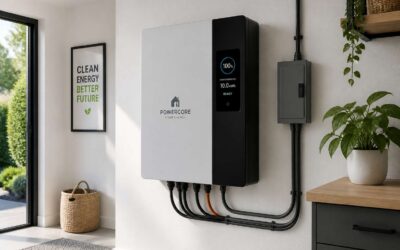
Smart power backup hinges on a handful of core components and technology that work in concert to smooth outages. At the heart are the battery bank, the inverter, and the charge controller that protects cycles and lengthens life. A robust management system tracks temperature, state of charge, and power quality; automatic transfer switches ensure a seamless handover from grid to backup.
- Battery bank options: lithium or lead-acid
- Inverter with sine-wave output for sensitive electronics
- Intelligent charge controller and BMS
- Automatic transfer switch and remote monitoring
Beyond hardware, the software and safety protocols make it smart. IoT-ready monitoring, predictive maintenance signals, and adaptive charging knit resilience with energy efficiency, turning outages into manageable pauses rather than crises. Real-world scenes show how even a modest setup keeps a clinic or shop humming during load shedding.
System design and sizing for homes and small businesses
Across South Africa, one in three households faces regular load-shedding, a rhythm that teeth-grind resilience into daily life. A battery backup with inverter becomes a quiet sentinel—glowing softly when the grid wavers, then restoring order to the home.
System design starts with a pragmatic load audit: what must run, what can wait, and for how many hours. It balances inverter capacity, battery depth of discharge, and charging strategy, all tuned for South Africa’s climate and the rhythm of load-shedding. This setup delivers clean sine-wave power to sensitive devices.
- Load assessment of essential circuits
- Autonomy targets aligned with outage windows
- Inverter capacity and surge requirements
- Battery bank choice and BMS compatibility
With the right sizing, clinics, shops, and homes stay steady when the mains fail.
Installation considerations and safety
Across South Africa, one in three households faces regular load-shedding, and outages arrive with little warning. A battery backup with inverter turns that uncertainty into a promise—quiet, reliable power that keeps essential moments from flickering out. When your lights stay on, wifi hums, and critical devices breathe easy, every room feels safer and more secure.
Installation considerations and safety demand respect for both hardware and people.
- Professional assessment and permits as required by local code
- Ventilation and heat management to extend battery life
- Correct cabling, fusing, and isolation to prevent backfeed
I’ve learned that safe commissioning comes from thorough testing: proper grounding, software updates, and routine inspections. A well-tuned battery backup with inverter keeps critical circuits alive without drama, while heat vents and airflow preserve battery health.
Maintenance, warranties, and ROI
Across South Africa’s towns and farms, outages arrive with little warning and a chill that settles in. A reliable battery backup with inverter keeps lights on, wifi humming, and meals warm.
Maintenance begins with care for hardware and people. Smart power backup solutions rely on regular health checks, software updates, and clean airflow.
- Regular diagnostics and updates
- Visual checks of cabling and ventilation
- Battery health monitoring and temperature control
Warranties offer reassurance; seek coverage that matches system life and transparent service terms. ROI comes from avoiding outages and extending appliance life—often paying back within a few years, especially with a robust setup. That battery backup with inverter helps maximize ROI.
In the end, it’s not just hardware; it’s quiet reassurance that keeps rural homes steady. From my experience, a well-kept system gives families room to breathe.



0 Comments