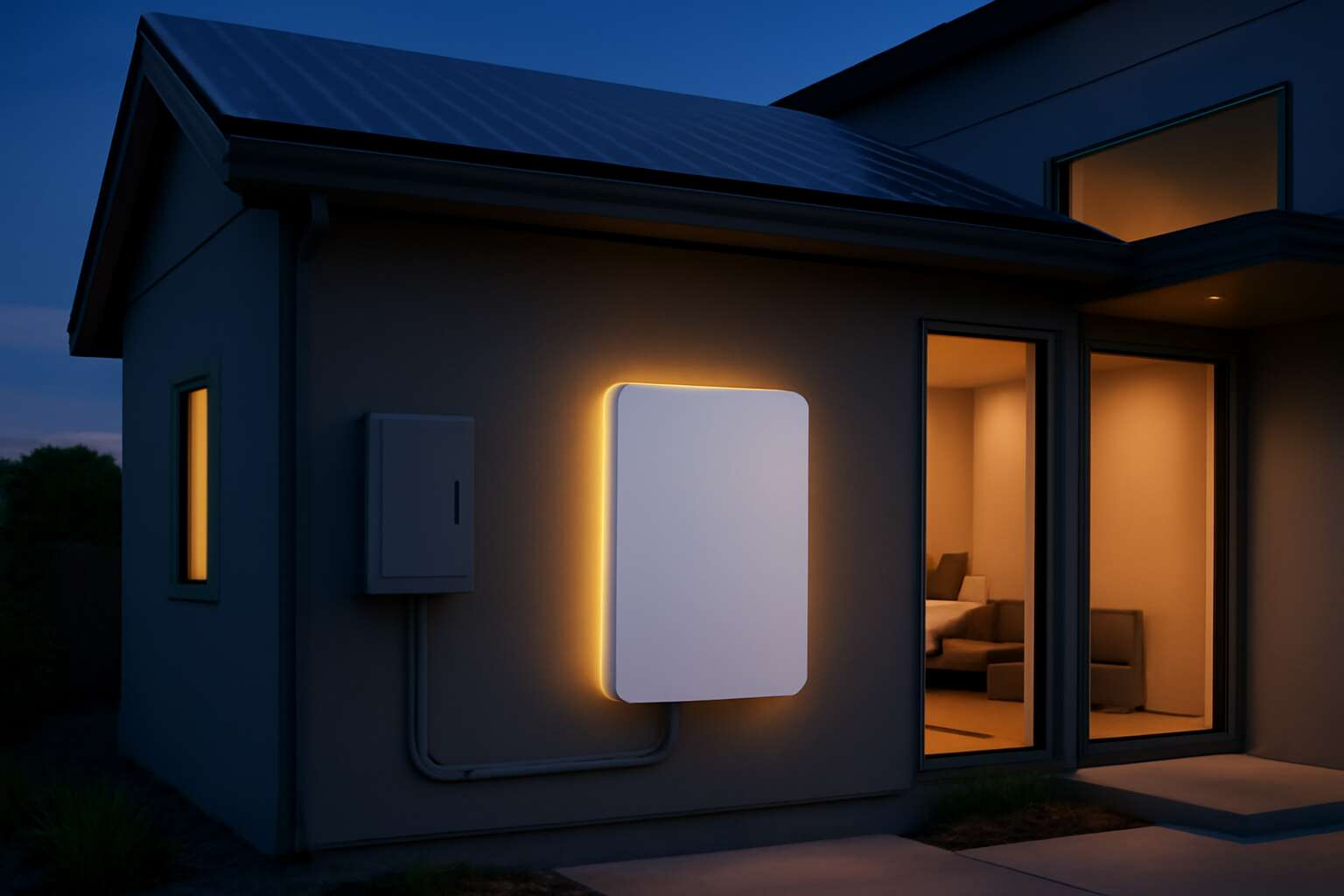
Residential Battery Backup Systems and Home Energy Storage
Sizing and Planning for a Home Battery Backup
Power is the quiet backbone of a modern home, and in South Africa outages shape daily life like storms. A reliable battery backup home turns that storm into a pause, letting lights glow and screens stay bright when the grid falters!
Residential Battery Backup Systems blend storage with serenity. A well-integrated setup cycles between grid and battery, delivering seamless power when the lights flicker. For a battery backup home, the system should harmonize with appliances and safety codes. Hybrid inverters and thoughtful enclosures keep noise and heat in check, so routines remain undisturbed.
Sizing and planning look at daily use, solar potential, and future needs, shaping a system that sits quietly behind the scenes.
- Load profile and critical circuits
- Storage chemistry and longevity
In this landscape, resilience becomes more than jargon; it is a promise of continuity through load-shedding and outages that test the home.
Types of Battery Storage for Homes
Power is the quiet specter at the hearth, and in South Africa it returns in whispers. A true battery backup home stitches light into the night, turning blackout into a pause and keeping screens bright where the grid forgets to shine.
Residential Battery Backup Systems blend storage with serenity, pairing with solar and the grid to ride the pulse of outages. Home energy storage types include a few flavours:
- Lithium iron phosphate (LiFePO4): longevity and thermal stability
- Sealed lead-acid/VRLA: budget-friendly and familiar geometry
- Flow batteries: scalable energy for longer outages
Within these silent cells, chemistry guides longevity, safety, and enclosure design. Hybrid inverters balance the moods of sun and storm, keeping noise and heat in check so routines remain undisturbed.
Resilience becomes poetry: a steady glow through load-shedding, a continuous heartbeat when the city flickers.
Installation, Permitting, and Code Compliance
Outages spiked by double digits last year, and a battery backup home keeps the lights on when the grid forgets to shine. Residential Battery Backup Systems blend storage with everyday life, but installation matters. In South Africa, installation, permitting, and code compliance ensure safety, reliability, and a clean aesthetic. A licensed installer can align the system with SANS 10142-1, install proper isolation, and choose a suitable enclosure for your home.
Before moving ahead, consider these key elements:
- Permits and inspections with your local municipality
- Electrical compliance with standards such as SANS 10142-1 and approved inverters
- Fire safety, ventilation, and enclosure requirements
- Safe grid integration and commissioning with a hybrid inverter
Regulatory compliance matters for a solid, silent energy future, including your battery backup home.
Cost, ROI, Incentives, and Financing
Outages bite, but the bite is easier to swallow when you invest in a battery backup home. A mid-range residential battery storage system keeps critical loads humming during load-shedding and long after. In South Africa, you’re typically looking at roughly R60,000 to R150,000 for a complete package, depending on capacity, brand, and whether you want fancy monitoring.
- Battery bank size and chemistry (lithium-ion vs. other chemistries)
- Hybrid inverter and control electronics
- Balance of system, enclosure, and safety hardware
- Professional installation, permits, and commissioning
ROI comes from lower grid exposure, reduced outage costs, and smarter energy use during peak tariffs. For many SA homes with time-of-use pricing, the savings can shorten the payback period to under a decade. Financing options and occasional municipal rebates for energy storage (when paired with solar) turn a battery backup home from dream into doable.
With resilience built in and a quieter, more predictable energy bill, the future of the battery backup home looks less like a gamble and more like a well-timed light switch.

0 Comments